UK Domestic Abuse Suicides Under-Reported, Up to 900 Victims Yearly
New research indicates that the number of domestic abuse victims who take their own lives in the UK is being severely under-reported, with experts describing the situation as a national scandal. If findings from a Kent study reflect the national picture, as many as 900 victims could be dying by suicide each year, a figure up to ten times higher than official estimates suggest.
Alarming Statistics and Research Findings
According to the Domestic Homicide Project, led by the National Police Chiefs’ Council (NPCC), there were 98 suspected suicides following domestic abuse in 2024, compared to 80 intimate partner homicides. However, a suicide prevention programme in Kent found that 33% of all suspected suicides in the region between 2018 and 2024 were affected by domestic abuse. This suggests that official statistics might be tracking as few as 10% of the true number of cases.
Tim Woodhouse, the programme manager and a University of Kent academic who led the research, stated, "We need some sort of national taskforce to get a grip on this," adding that it was "bonkers that we are basing national estimates on one researcher’s evidence." He emphasised that his work aims to open people’s eyes to the frequency of these tragedies, calling it a national scandal in terms of numbers.

Legal and Systemic Failures
Recording domestic suicides is just one part of a broader struggle. Campaigners argue that causes of death in these cases are not thoroughly investigated, with only one criminal conviction for manslaughter in UK legal history where a woman died by suicide following domestic abuse. Lawyers believe coroners may be too quick to dismiss deaths as suicides without considering unlawful killings.
Pragna Patel of Project Resist highlighted systemic issues, saying, "Too many bereaved families are being failed by a criminal justice system that is not fit for purpose." She pointed to a culture of discrimination, arrogance, indifference, and apathy as core problems.
Case Studies and Campaigns for Change
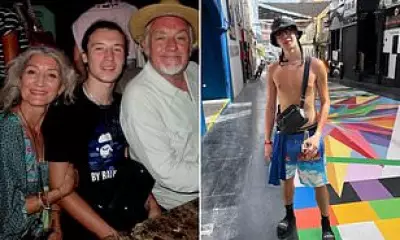
The Guardian has published a series on individuals, mostly women, who died by suicide after domestic abuse. For example, Georgia Barter’s suicide was judged an unlawful killing by a coroner, but no charges were brought against her former partner. Similarly, Katie Madden’s case saw her former partner admit to abuse, yet no criminal investigation was launched.
Kate Ellis, joint head of litigation at the Centre for Women’s Justice, noted, "Sadly, police forces too often miss opportunities to disrupt escalating domestic abuse and protect victims." She stressed that many suicides in domestic abuse contexts are not investigated as potential homicides, even with evidence of prior abuse.
Community-Specific Concerns and Advocacy
Southall Black Sisters has campaigned for over 40 years to recognise abuse-related suicide as homicide, raising concerns about overrepresentation in Black, minority, and migrant communities. Hannana Siddiqui explained, "Women in these communities face additional barriers due to intersecting racism and misogyny."
Frank Mullane from Advocacy after Fatal Domestic Abuse (AAFDA) argued for new laws, stating, "A new law specific to suicide caused by domestic abuse will make it easier for juries to identify causation and give confidence to the CPS to bring cases."
Call to Action and Support Resources
Families of victims, like Georgia Barter’s mother Kay, demand change, noting the lack of convictions since 2017. Efforts from the NPCC and CPS to bring more cases to court are underway, but campaigners stress the need for systemic reform.
In the UK, support is available through Samaritans at 116 123 and the domestic abuse helpline at 0808 2000 247. International helplines can be found via www.befrienders.org.