The Hidden Dangers and Lifelines of Location-Sharing Apps
In an era where technology is deeply embedded in our daily lives, location-sharing apps have become both a tool for safety and a potential weapon in the hands of abusers. While these apps are marketed as a way to keep loved ones connected, they can also be exploited to monitor and control victims of domestic abuse.
The Benefits: A Safety Net for Victims
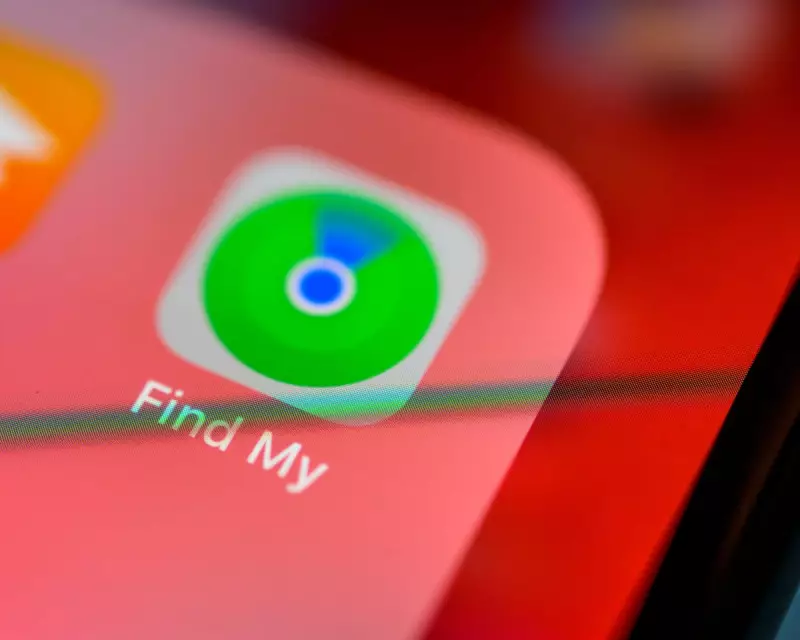
For many, location-sharing apps like Find My Friends or Life360 offer peace of mind. Survivors of domestic abuse often use these tools to stay connected with trusted friends or family members, ensuring someone knows their whereabouts in case of an emergency. "It gave me a sense of security," shared one survivor, who asked to remain anonymous. "Knowing that my sister could see where I was made me feel less alone."
The Risks: A Tool for Coercive Control
However, the same technology can be twisted into a tool of coercion. Abusers may force victims to share their location or use the apps to track their movements without consent. "It's a modern form of stalking," explained Dr. Emily Carter, a psychologist specialising in domestic abuse. "The abuser doesn't need to physically follow the victim—they can do it remotely, silently, and with terrifying precision."
Expert Advice: Navigating the Digital Landscape
Experts recommend several steps for those concerned about their safety:
- Review app permissions: Regularly check which apps have access to your location and disable unnecessary tracking.
- Use discreet safety apps: Some apps, like BrightSky or Hollie Guard, are designed specifically for domestic abuse survivors, offering hidden features.
- Seek professional support: Organisations like Refuge or Women's Aid can provide tailored advice and resources.
The Bigger Picture: Balancing Safety and Privacy
As technology evolves, so too must our understanding of its implications. While location-sharing apps can be lifesaving, they also highlight the need for greater awareness and regulation to protect vulnerable users. "We need to educate people about the risks," urged Dr. Carter. "Technology should empower, not endanger."