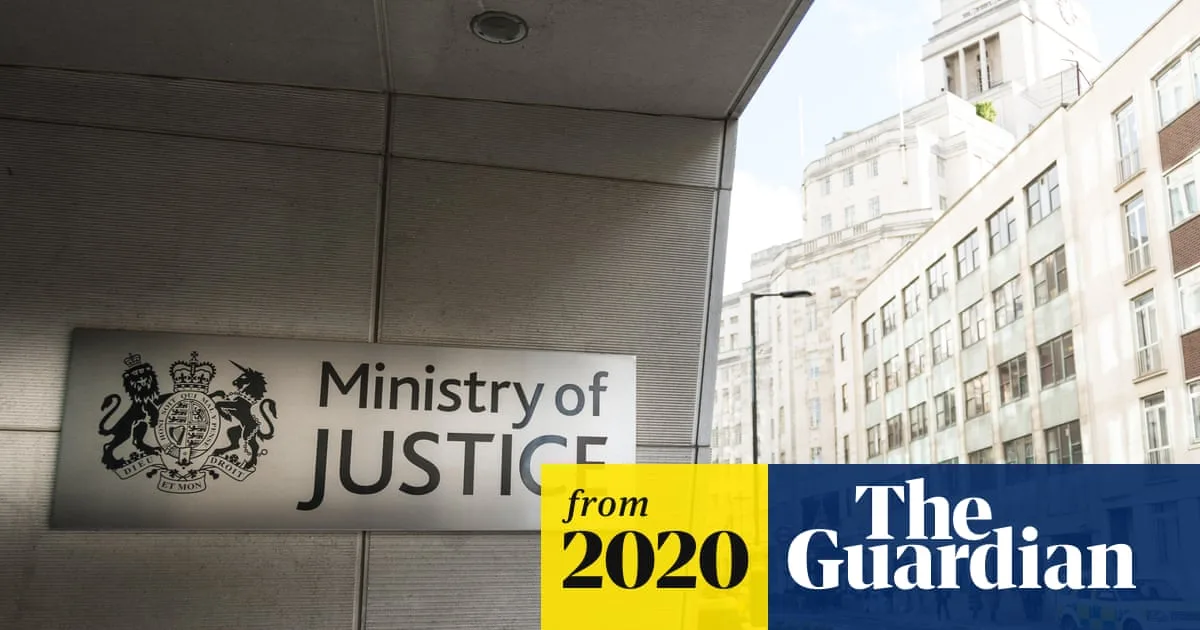
Courtrooms are lying empty and judges are being prevented from presiding over trials while the criminal case backlog grows longer due to government cuts, according to a report by barristers in the west of England. The number of sitting days on the Western Circuit – which includes Winchester, Southampton, Exeter and Bristol – has been cut by 15% by HM Courts and Tribunal Service in the past year, causing what the study describes as 'rocketing delays'.
Some courts are booked solid – even for short trials – for the next nine months, while many cases are being adjourned and moved up to 100 miles away. The national average time between an offence and completion of the case in the crown court has risen over the last decade from 392 days in 2010 to 525 days in 2019, the report says.
One unnamed resident judge quoted in the report said the restrictions were causing 'considerable concern to witnesses and advocates when they have attended anticipating the trial only to find it has had to be adjourned'. That was particularly 'galling', the judge added, 'if one of the judges is reading papers, preparing etc so as to ensure we do not exceed the limited number of sitting days. We have the court and judge available but not the sitting days within which to do the work.'
The report, signed by Kate Brunner QC who is leader of the Western Circuit, concludes: 'Judges are available, being paid, perhaps not working, while a single judge hears an over-burdened list, and witnesses are told that the trial which they have already waited a year for will have to be adjourned.' Amanda Pinto QC, chair of the Bar Council, said the problems were a national crisis and called for investment across the criminal justice system.
The shadow minister for courts, Labour’s Yasmin Qureshi MP, said the government was 'clearly letting down victims of crime' and needed to 'immediately increase sitting days and provide the funding that is so desperately needed'. A spokesman for HM Courts and Tribunals said they keep sitting days under constant review, noting an extra 700 crown court sitting days allocated in November 2019, and that outstanding cases have decreased by around 40% since 2014.