One of America's most gruesome and enduring unsolved crime sprees unfolded in Cleveland, Ohio, during the bleak years of the Great Depression. Known as the Cleveland Torso Murders or the Kingsbury Run killings, the case involved the brutal beheading and dismemberment of at least twelve individuals, with the killer evading capture despite one of the city's largest ever investigations.
A City in Despair: The Kingsbury Run Hunting Ground
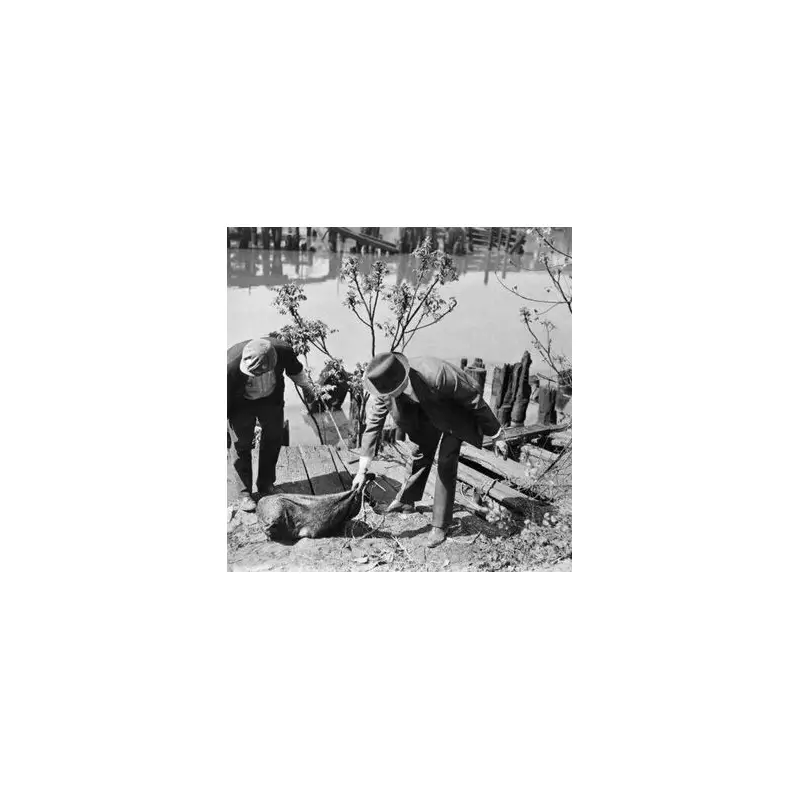
Cleveland in the mid-1930s was a city of stark contrasts. Having soared during the industrial boom of the 1920s, it was plunged into economic despair. Many of the newly destitute found shelter in a squalid, vice-ridden area known as Kingsbury Run, a shantytown filled with pubs, brothels, and gambling dens.
The horror began in September 1934, when the dismembered parts of an unidentified woman washed up near Lake Erie. Dubbed the 'Lady of the Lake', her skin showed signs of chemical preservation and her head was missing. The true terror gripped the community a year later, in 1935, when two boys discovered the decapitated and emasculated body of Edward Andrassy, aged 28. A second male victim was soon found at the same location.

Medical examination suggested the killer possessed surgical skill. The decapitations were performed with great precision, some in a single clean stroke, and victims appeared to have been drained of blood, with evidence suggesting some were alive during the act.
The Grisly Pattern and a Public Appeal
The fourth victim, Florence Polillo, a waitress and barmaid, was found wrapped in newspaper and packed into baskets downtown. This method of disposal became a grim signature, with several subsequent victims discovered throughout the city in a similar state—often reduced to mere torsos or missing heads and limbs.
By the close of 1936, six new murders had been linked to the same perpetrator in under a year. In a desperate public appeal, police even exhibited the death mask of one victim, known as the 'Tattooed Man', at the 1936 Great Lakes Exposition, but he was never identified.
The investigation, Cleveland's most extensive to date, involved thousands of interviews and undercover operations. A major raid on Kingsbury Run in 1938 led to dozens of detentions but yielded no concrete evidence. Two more dismembered bodies were found that same year, near the investigator's own office, highlighting the killer's brazenness.
The Prime Suspect: A Troubled Surgeon
Despite the scale of the manhunt, no one was ever officially charged. Only two individuals have been strongly linked to the crimes. The first, Frank Dolezal, a bricklayer who gave a inconsistent confession to Polillo's murder, was found dead in his jail cell.
The investigation ultimately focused on a man known as 'Dr. X', widely believed to be Francis E. Sweeney, a skilled but troubled surgeon who lived just outside Kingsbury Run. He was subjected to extensive questioning but never admitted guilt. Notably, according to the Cleveland Police Museum, Sweeney checked himself into a sanatorium just as the murders ceased.
The case remains officially unsolved, a chilling cold case mystery from a desperate era, where a killer with anatomical knowledge terrorised a city and vanished into the shadows of history.