US-Iran Strikes Trigger Major Aviation Crisis Across Middle East
Thousands of travelers have been left stranded across the Middle East following a series of air strikes and retaliatory attacks that have forced the closure of major aviation hubs throughout the region. The unprecedented disruption has created what experts are calling the most severe aviation crisis in the region since the pandemic.
Widespread Airport Closures and Flight Cancellations
The crisis began with coordinated strikes by US and Israeli forces targeting Tehran and other key Iranian cities. This prompted retaliatory strikes from Iran targeting neighboring Gulf states, including direct attacks on airports and residential areas. The escalating conflict has resulted in the complete closure of airspace over multiple countries.
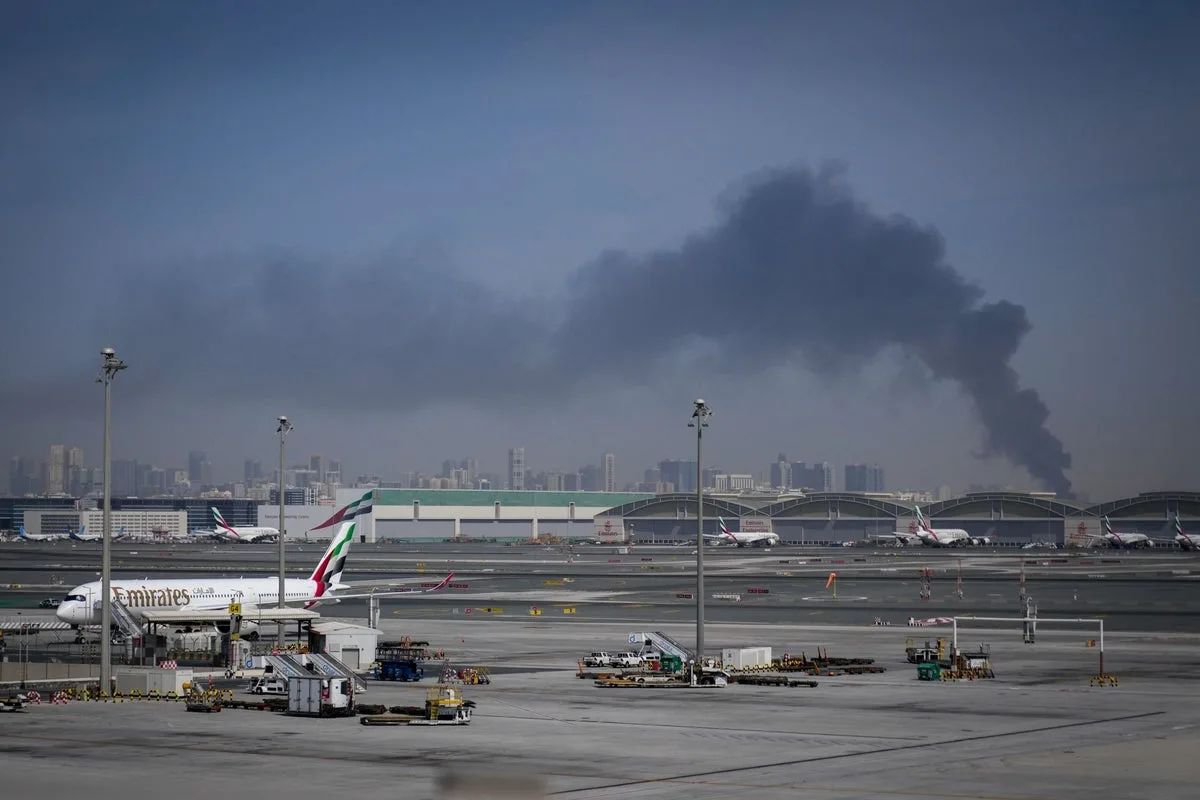
Dubai International Airport, the world's busiest international aviation hub, has been completely shut down along with other major airports including those in Abu Dhabi, Doha, Tel Aviv, Kuwait, and Bahrain. According to flight tracking service Flightradar24, airspace over Iran, Iraq, Kuwait, Israel, Bahrain, the United Arab Emirates, and Qatar remained virtually empty with approximately 4,000 daily flights cancelled across the region.
American Travelers Particularly Affected
All of America's major carriers have cancelled scheduled flights to the Middle East, including Delta Air Lines, United Airlines, and American Airlines. These cancellations affect the approximately 340 scheduled weekly flights from the United States to the Middle East that normally provide 112,991 seats to American travelers.
According to aviation data firm Cirium, the most affected routes include 107 weekly flights to Doha, 87 to Dubai, and 71 to Tel Aviv. Delta has cancelled its New York (JFK) to Tel Aviv direct service through at least March 8, while United has suspended all four of its scheduled Dubai and Tel Aviv flights. American Airlines has halted its direct service between Philadelphia and Doha.
Specific Targets and Limited Resumption
According to US Central Command, Iranian forces have been actively targeting civilian locations across more than a dozen sites. These include Dubai International Airport, Kuwait International Airport, Zayed International Airport in Abu Dhabi, Erbil International Airport in Iraq, and several prominent hotels including the Fairmont Palm and Burj Al Arab in Dubai, and the Crowne Plaza in Bahrain.
Despite the widespread closures, Dubai Airports announced that limited flights would resume on the evening of Monday, March 2, from both Dubai International Airport and Dubai World Central. Emirates and flydubai indicated they would resume some flights on Monday evening, while Etihad said it would restart some services on Tuesday from its Abu Dhabi hub.
Passenger Rights and Compensation
For American travelers affected by the disruption, specific rights apply depending on the circumstances. If a flight departing from the United States is cancelled or significantly delayed, passengers are entitled to a full refund if they choose not to rebook, though no compensation beyond the refund is required by law.
When disruptions are within the airline's control, such as staffing issues, carriers might provide meal vouchers, hotel accommodation, and ground transport, though US law does not compel them to do so. However, in cases like the current conflict where disruption is outside airline control, passengers are entitled to refunds or rebooking, but airlines are not required to pay for hotels or meals.
For those flying on non-American airlines departing from the Middle East, rights depend entirely on the carrier's conditions of carriage. Gulf carriers typically rebook passengers and provide food and accommodation during delays as part of their service policies.
Wider Disruption and Recovery Timeline
The aviation crisis extends beyond direct cancellations. Many flights that would normally use Iranian or Iraqi airspace are taking wide diversions, significantly increasing journey times and requiring additional refueling stops. This creates knock-on delays throughout global aviation networks.
Even when airspace reopens, recovery will be slow. Airlines face significant logistical challenges with aircraft and crew positioned incorrectly across the globe. Major carriers including Emirates and Qatar Airways are operating at maximum capacity, but experts predict it could take days or even weeks before all stranded passengers reach their destinations.
The situation remains fluid with developments changing rapidly. Travelers are advised to maintain constant contact with their airlines and monitor official travel advisories as the Middle East aviation crisis continues to unfold.




