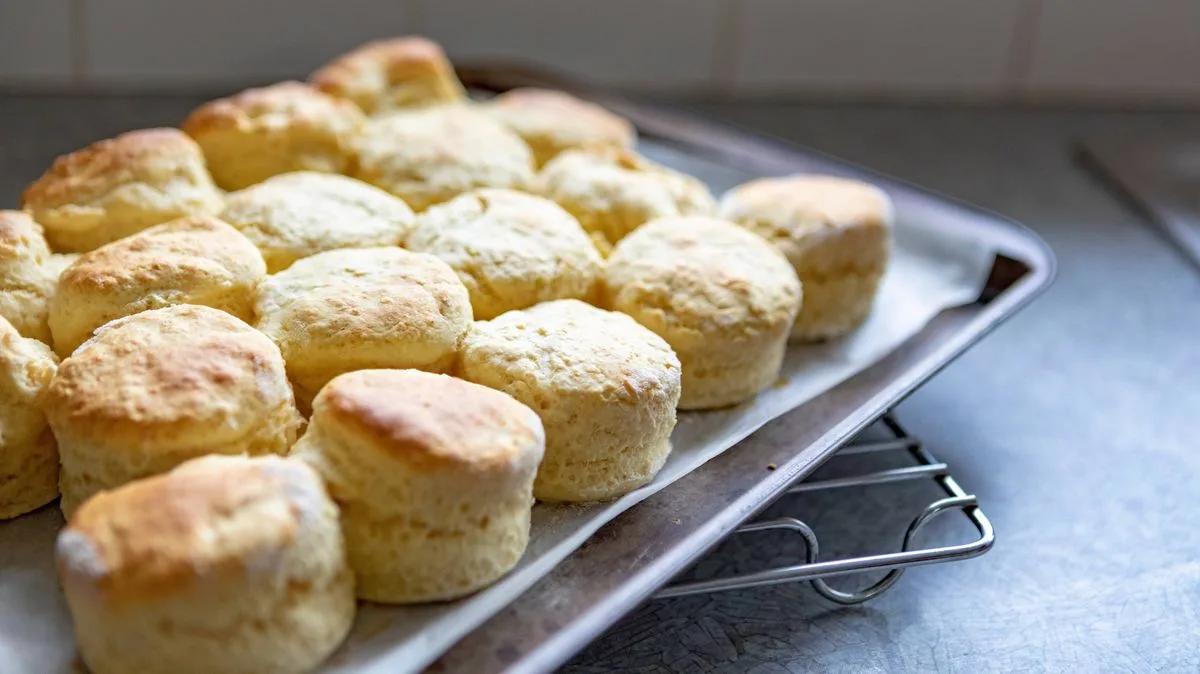
Scones are a quintessential treat for picnics or afternoon tea, and they are surprisingly simple to prepare from scratch—provided you include one ingredient that bakers highly recommend but most people overlook. May often brings warm sunshine and longer daylight hours, making it an ideal time to enjoy the outdoors with simple picnic delights like freshly baked scones. There is something especially satisfying about relaxing in the open air with homemade treats and a cup of tea, and scones are remarkably quick to make, with the dough ready in roughly 15 minutes.
However, the secret to achieving perfect results lies not only in the baking process but also in selecting the correct ingredients at the shops. This choice determines whether you end up with tall, fluffy scones or flat, crumbly disappointments. Danielle Ellis, a French-trained baker and founder of Severn Bites, reveals that one of the most vital ingredients for helping scones rise properly is buttermilk.
Why Buttermilk Matters
Ellis explains: 'The first ingredient to seek out is buttermilk. Once I started making scones with buttermilk, they got better and better. It is easy to find in many farmers' markets (including Stroud) and most supermarkets, and it keeps remarkably well.' Buttermilk is the liquid left after churning butter from cream, and you can either prepare it yourself or find it in the baking aisle of most supermarkets.
The mild acidity in buttermilk reacts with baking powder, producing bubbles in the dough during baking. This reaction allows the scones to rise magnificently in the oven. Additionally, buttermilk helps tenderise the gluten in the flour, delivering a light and delicate texture rather than something dense or bread-like. It also has a slightly thicker consistency and introduces extra moisture to the mixture, giving a more indulgent taste without requiring excessive fat, while preventing the scones from becoming dry.
Ultimately, buttermilk enables you to produce taller, fluffier, and more delicious scones, meaning even first-time bakers are much more likely to achieve excellent results.
How to Make Better Scones
You will need (for six servings):
- 225g plain flour
- 45g butter (salted or unsalted)
- Two large eggs (one for the scones and the other for an egg wash)
- 125g buttermilk
- 8g baking powder
- A pinch of salt
Alterations
- Sweet scones: Add 25g caster sugar and optionally 50g raisins.
- Savoury scones: Add 100g mature cheese and 5g smoked paprika.
Method
To begin, preheat the oven to 200°C or Gas Mark 6. Prepare a baking tray by sprinkling flour on it, then set it aside. Put the flour, baking powder, and salt into a mixing bowl. Remove the butter directly from the fridge, dice it into cubes, and add it to the bowl. Always use chilled or frozen butter when preparing scones, as melted butter produces substantial steam, which causes the pastry to rise, creating a flakier, softer consistency.
Work the butter into the mixture using your fingertips until it has a breadcrumb-like appearance. At this stage, incorporate your extra ingredients and combine thoroughly. If you are making sweet scones, add the sugar and raisins; if making savoury scones, add the cheese and smoked paprika.
Crack one large egg into the mixture and combine using a fork. The dough should now be beginning to come together. Next, pour in the buttermilk gradually until no flour remains visible in the bowl. You do not need to use the entire amount, as you are aiming for a soft dough. Take care not to make it too wet.
Tip the bowl's contents onto a clean work surface and gently form it into a rectangle approximately 2.5 cm thick. Use a 60 mm cookie cutter to stamp out shapes from the dough. Avoid twisting the cutter; instead, lift it straight up and carefully transfer each round to the baking tray. Cut out six scones or continue until all the dough has been used. Do not be concerned if the dough appears to crack slightly at this stage.
Then, break an egg into a small bowl and beat with a fork to create an egg wash. Apply it to the top of each scone with a brush. If you are preparing savoury scones, you can also scatter any leftover cheese on top.
Place the baking tray in the oven and cook for 12 minutes, or until the scones have fully risen, turned golden, and appear wonderfully fluffy.