Train Travel Emerges as a Viable Alternative Amid Flight Disruptions in Europe
Recent geopolitical tensions, including conflicts involving Iran, have led to significant disruptions in air travel across Europe. This has prompted many travellers to reconsider their transportation options, with trains emerging as a compelling alternative. In this analysis, we explore Europe's easiest countries to navigate by train and compare the cost and time implications against flying.
Navigating Europe by Rail: Top Countries for Train Travel
Europe boasts an extensive and efficient rail network, but some countries stand out for their ease of navigation. Nations like Germany, France, Switzerland, and the Netherlands are renowned for their reliable and well-connected train systems. These countries offer high-speed services, frequent departures, and user-friendly booking platforms, making train travel a seamless experience for both domestic and international journeys.
In Germany, the Deutsche Bahn network covers major cities with precision, while France's TGV trains provide rapid connections across the country. Switzerland's scenic routes and punctual services are a traveller's delight, and the Netherlands' compact size ensures short travel times between key destinations. These factors contribute to making train travel not only practical but also enjoyable in these regions.

Cost Comparison: Trains Versus Flights
When it comes to cost, train travel in Europe can be competitive with flying, especially when considering additional expenses. While budget airlines often advertise low base fares, hidden costs such as baggage fees, seat selection charges, and airport transfers can quickly add up. In contrast, train tickets typically include luggage allowances and city-centre to city-centre travel, reducing extra expenditures.
For example, a journey from Paris to Amsterdam might cost around €50-€100 by train, depending on booking time and class. A comparable flight could start at €30 but may exceed €150 with add-ons. Similarly, routes like Berlin to Munich show train fares ranging from €20-€80, while flights can vary widely based on demand and ancillary fees. Early booking and rail passes can further enhance the affordability of train travel.
Time Efficiency: Analysing Journey Durations
Time is a critical factor in travel decisions, and trains often offer competitive journey times when accounting for total travel duration. Flying involves check-in, security procedures, boarding, and travel to and from airports, which can extend the overall trip significantly. Trains, with city-centre stations and streamlined boarding processes, minimise these overheads.
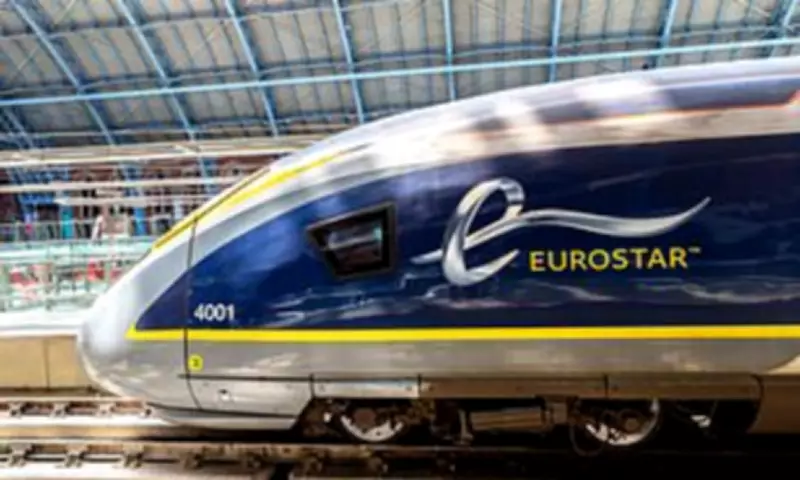
On routes under 500 kilometres, trains frequently match or beat flying times. For instance, a train from London to Paris via the Eurostar takes about 2 hours 15 minutes, comparable to a flight when including airport transit. In countries like Spain and Italy, high-speed rail networks enable rapid connections between major cities, making trains a time-efficient choice for many travellers.
Impact of Flight Disruptions on Travel Choices
The ongoing disruptions in air travel, fueled by geopolitical issues such as the Iran conflict, have heightened the appeal of train travel. Flight cancellations, delays, and increased security measures have made flying less predictable, leading many to seek more stable alternatives. Trains offer greater reliability in such uncertain times, with fewer weather-related disruptions and consistent schedules.
This shift is evident in increased bookings for rail services across Europe, as travellers prioritise convenience and peace of mind. The ability to avoid crowded airports and potential flight chaos adds to the attractiveness of train journeys, reinforcing their role as a dependable mode of transport during periods of instability.
Environmental and Experiential Benefits of Train Travel
Beyond cost and time, train travel in Europe offers significant environmental and experiential advantages. Trains generally have a lower carbon footprint per passenger compared to planes, aligning with growing sustainability concerns among travellers. Additionally, rail journeys provide opportunities to enjoy scenic landscapes, comfortable seating, and onboard amenities, enhancing the overall travel experience.

Countries with well-developed rail networks often integrate cultural and tourist elements into their services, making train travel not just a means of transport but a part of the holiday itself. From panoramic views in the Alps to historic routes through ancient cities, trains offer a unique way to explore Europe's diverse regions.
Conclusion: Weighing the Pros and Cons
In summary, train travel in Europe presents a viable and often advantageous alternative to flying, particularly amid current flight disruptions. While costs can be comparable or lower when factoring in hidden fees, and journey times are competitive on many routes, the reliability and experiential benefits of trains further bolster their appeal. As geopolitical tensions continue to affect air travel, exploring Europe by rail may become an increasingly popular choice for savvy travellers.