
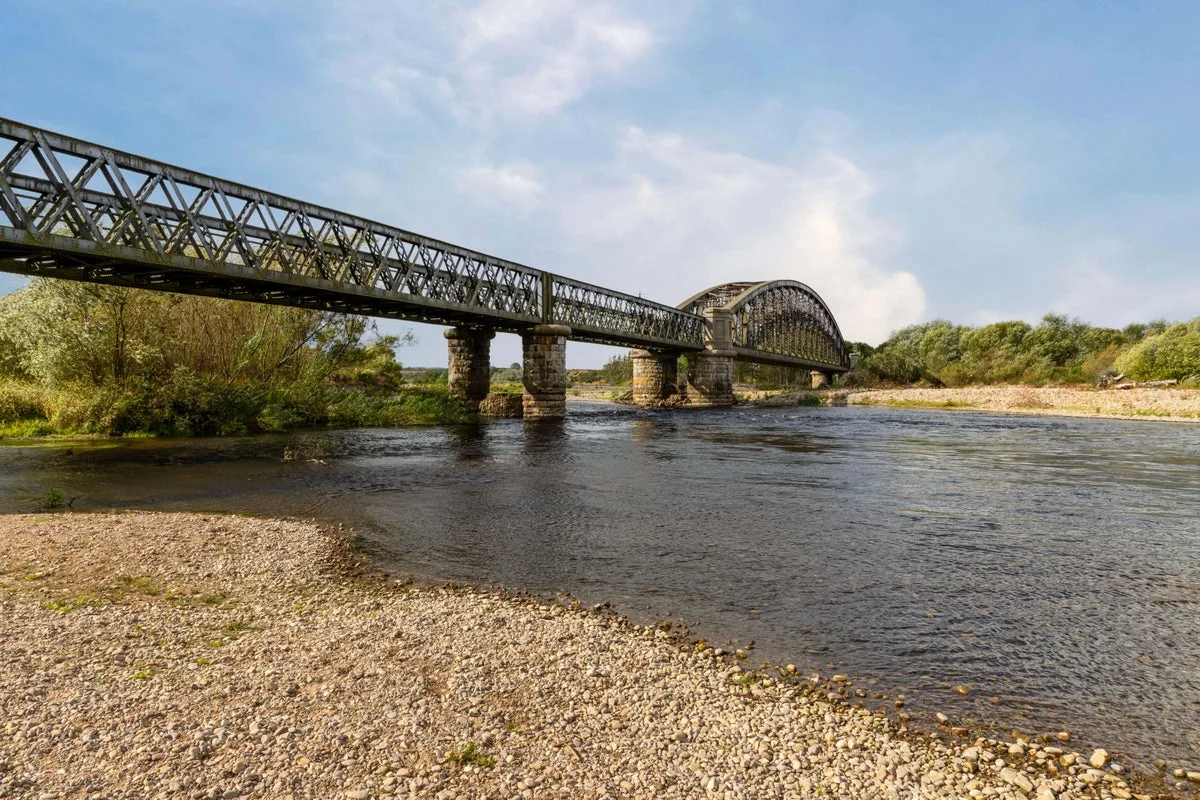
Initial inspections suggest that the partial collapse of the 19th-century Spey Viaduct into the River Spey on Sunday was caused by soil erosion around its foundations. Moray Council reported that the collapse appears to be due to 'scour', where fast-moving water erodes soil, gravel or sand from around the base of a bridge.
The council noted that when the bridge was last inspected by a specialist contractor in 2023, there was no evidence of scour. However, it appears that over the past year, the river's flow path has changed, which may have contributed to a change in impact on the piers.
Also known as the Garmouth Viaduct, the iron girder bridge was originally a railway line but had recently become popular with walkers and cyclists. Moray Council stated that the long-term future of the bridge will be considered in the new year, with a more detailed inspection and assessment to be carried out by a specialist engineer before Christmas or early in the new year.
The council has urged the public to avoid the area and is putting up more robust fencing around the viaduct. Local politicians and community members have expressed sadness over the collapse of the iconic structure, which spans 350 feet over the main channel of the river.
A general inspection of the viaduct was last carried out in May 2025, but underwater areas could not be assessed due to the fast-flowing nature of the Spey. The council emphasised that any work to prepare options for the future of the bridge, potentially repair or replace, will begin in the new year, subject to available finances.




