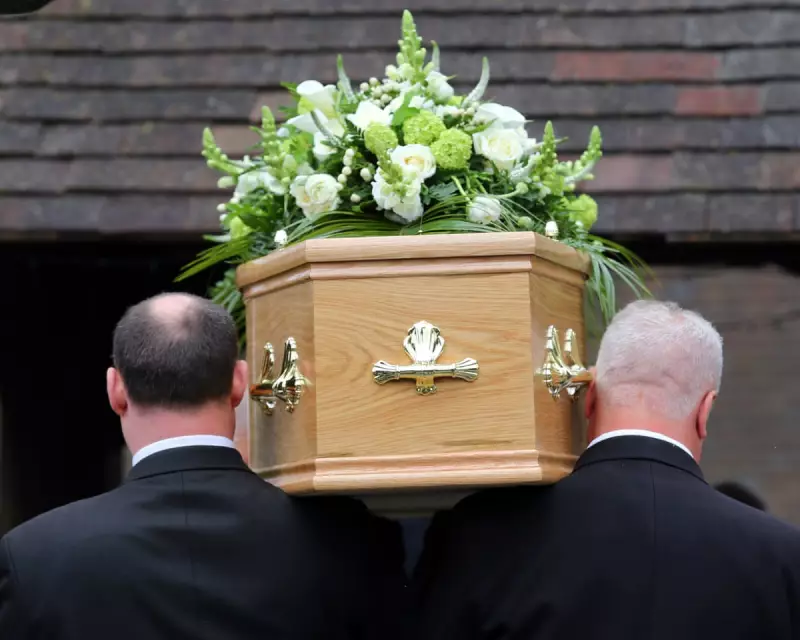
The government is poised to introduce the first-ever statutory regulation of England's funeral industry, following a string of scandals that have exposed what an official inquiry labelled an "unregulated free for all".
A System of Systemic Failure
Currently, in stark contrast to Scotland where a mandatory code of practice has been in force since March, anyone in England can establish a funeral business without needing a licence, formal qualifications, or any prior experience. This regulatory vacuum has left bereaved families vulnerable and has been linked to a series of horrific cases.
The push for change gained significant momentum from the official inquiry into double killer David Fuller, who abused over 100 bodies in NHS mortuaries across 12 years. Led by Sir Jonathan Michael, the inquiry concluded there was a "systemic failure" in monitoring those who handle human remains and called for a new statutory regime.

Scandals Prompting Public Outcry
Recent convictions have underscored the urgent need for oversight. Last week, the directors of Elkin and Bell Funerals in Gosport, Hampshire, were found guilty of fraud and preventing a decent burial after six decomposing bodies were discovered on their premises. Richard Elkin, 49, and Hayley Bell, 42, await sentencing in February.
In another distressing case, Zoe Ward paid Amy Upton of the now-banned baby-loss service Florrie's Army to arrange a funeral for her three-week-old son, Bleu, in 2021. Ward was horrified to find her son's body in Upton's living room, placed in a baby bouncer with cartoons playing, and another dead baby on the sofa.
Further shock came with the discovery of 35 bodies at the premises of Legacies Independent Funeral Directors last year. Owner Robert Bush pleaded guilty in October to fraud charges, including giving unidentified ashes to parents of stillborn babies. He denies charges relating to preventing lawful burial for 30 people and faces trial in October.
The Path to New Regulation
Ministers are now drawing up plans expected to include a licensing scheme for funeral directors, enforcement powers, and a mandatory inspection policy. Two main options are under consideration: significantly expanding the remit of the Human Tissue Authority (HTA)—the current watchdog for human tissue use—to oversee England's 4,500 funeral directors, or tasking local authorities with carrying out inspections similar to health and safety checks.
Victims minister Alex Davies-Jones is expected to outline the government's initial response to the Fuller inquiry in the coming weeks, with detailed proposals for tighter regulations due in the summer. A government spokesperson stated: "We are committed to taking action to ensure the highest standards are always met by funeral directors, and are now considering the full range of options to improve standards."
For grieving families like that of Michaela Baldwin, whose stepfather's body was found at Legacies after they received ashes they believed were his, change cannot come soon enough. "It's absolutely disgraceful," said Baldwin. "There needs to be regulation on how bodies are stored and paperwork must stay with the deceased at all times."