Smart Motorway Alert System Failed Before Fatal M4 Crash, Court Hears
Alerts designed to warn drivers of broken-down vehicles on the M4 smart motorway were not functioning correctly for several days before a fatal collision that claimed the life of a grandmother, Reading Crown Court has heard. An unresolved technical failure within the motorway's IT network prevented critical warnings from being transmitted to operators in the period leading up to the tragic incident.
Technical Failure and Misrouted Tickets
The system detected the fault on March 2, 2022, and automatically generated tickets to address the issue. However, these tickets were erroneously sent to the wrong National Highways team and assigned an incorrect priority level, marked for resolution within seven days. Consequently, the alert system remained inoperative for five full days when the collision occurred on March 7, 2022.
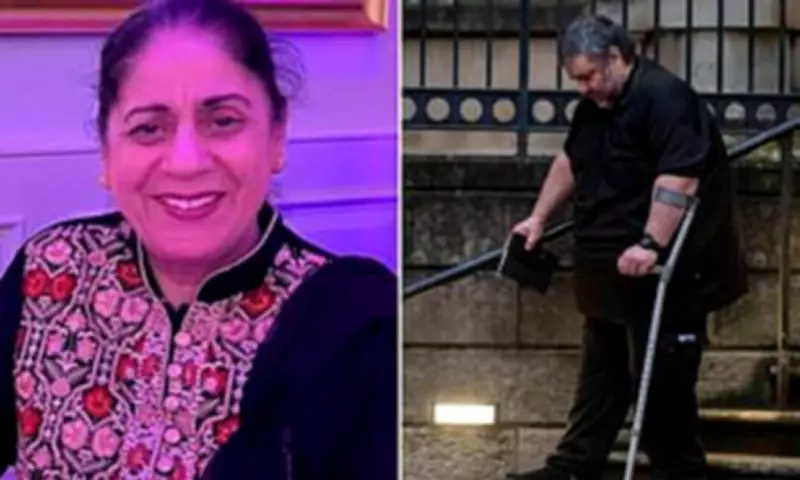
Barry O'Sullivan, 45, was driving his grey Ford Transit Connect van when he collided with the rear of a Nissan Micra that had come to a stop in the fast lane of the M4 westbound between junctions 11 and 12 in Berkshire. The impact propelled both vehicles forward, causing the Nissan to burst into flames. Pulvinder Dhillon, a 68-year-old grandmother who was a passenger in her daughter's Nissan Micra, sustained fatal injuries and died at the scene.

System Malfunction and Investigation Findings
The trial has previously established that the smart motorway system failed to display any messages regarding obstructions on the road ahead on the morning of the crash. Jurors were informed on Monday that alerts from stopped vehicle detection (SVD) radars on the M4 between junctions 8/9 and 12 had not been communicated since March 2 due to the technical failure.
Ian Bridge, representing O'Sullivan, read excerpts from a National Highways investigation report commissioned after the fatal collision. The report stated, 'The SVD was available between the 2nd of March to the 7th of March 2022, but the communication failure meant alerts were not presented to the regional operations centre operators.' It further suggested that a broken-down vehicle had been detected by radars on the day of the crash but did not meet the criteria to trigger an alert, though the accuracy of this entry could not be verified by qualified personnel.
Timeline of Events and Defendant's Account
Jurors have heard that it took two hours and 29 minutes to rectify the smart motorway system issue after the collision. The first call from a member of the public to Thames Valley Police reporting the stranded vehicle was made at 8:37 am on the day of the crash, with the highways authority notified approximately four minutes and 12 seconds later. The Nissan had been stationary in the fast lane for six minutes before the collision.
O'Sullivan was driving his Ford van at speeds between 74 mph and 80 mph in the fast lane in the five seconds preceding the impact. In his testimony, the defendant asserted that the crash 'wouldn't have happened' if he had been forewarned. He explained that he initially did not perceive the stationary vehicle as a hazard, believing it to be moving, and only realized the danger too late to avoid the collision.
O'Sullivan, of Wixams near Bedford, has pleaded not guilty to one count of causing death by careless driving. The trial continues as the court examines the circumstances surrounding this devastating incident.