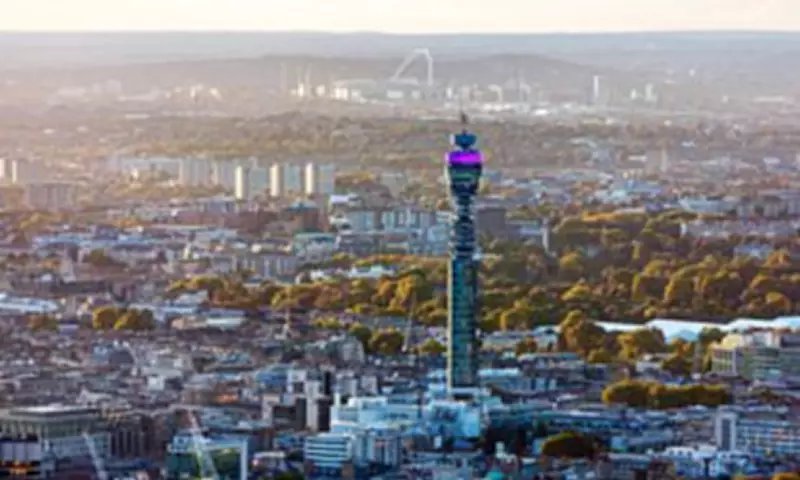
A new rooftop swimming pool is set to be constructed atop London's BT Tower as part of plans to transform the Grade II-listed landmark into a luxury hotel. The communications tower, a distinctive feature on the skyline for tourists in the Fitzrovia area of central London, was acquired by MCR Hotels in 2024.
Public Consultation and Proposals
MCR Hotels, the third-largest hotel owner in the United States, will consult the public next week on its proposals for the skyscraper, formerly known as the Post Office Tower. The project to convert the tower into a hotel is expected to take several years, but MCR has released details of its plans, which include allowing guests to swim 580 feet in the air.
Opening to the Public
The plans also involve opening the top of the BT Tower to the public for the first time in nearly half a century. The observation decks at the summit closed in 1971 after a bomb exploded in the men's toilet on the lowest floor of the public viewing galleries. The devastating blast damaged buildings and cars up to 400 yards away and forced the closure of an ingenious revolving restaurant that offered panoramic city views.

Historical Significance
The revolving restaurant, which opened in 1966, was located on the 34th floor and took 22 minutes to complete a full rotation. High-profile diners, including The Beatles and Muhammad Ali, enjoyed gourmet menus and cocktails there. Members of the anarchist group the Angry Brigade claimed responsibility for the bombing, but a call was also made by someone claiming to be from the Kilburn Battalion of the IRA.
Despite the damage, the building was not irreparably harmed. Unknown to the public, the tower was secretly designed to withstand a nuclear attack on London and serve as part of a military microwave communication network. Years later, the tower survived the 1987 hurricane, which tore the roof off the Old Bailey. Gradually, the mushroom-shaped dishes protruding from the tower's slender waistline were removed as fibre optic technology advanced.
In an ever-progressing digital age, BT Group has been migrating services onto its cloud-based platform, no longer requiring the services traditionally provided by the BT Tower. The main tower stands 581 feet high, with a section of aerial rigging bringing the total height to 620 feet. When completed in 1964, it overtook the Millbank Tower as the tallest structure in London until the NatWest Tower was built in 1980.
Future Plans
MCR purchased the tower for £275 million from BT Group in 2024, but progress on its plans cannot proceed until BT decommissions and strips out its sensitive telecoms equipment, a process expected to conclude around 2030. The hotel group's proposals also include a new public square, walking routes through the site, as well as new shops and restaurants.
A project team will host public consultation events throughout May at University College London, giving the public a chance to view the proposals. A statement from the project team reads: 'MCR intends to bring one of Britain's most iconic buildings into public use through a hotel-led, mixed-use development that celebrates the BT Tower's rich heritage, complements Fitzrovia's historic character, and delivers meaningful placemaking and employment opportunities for the local community.'