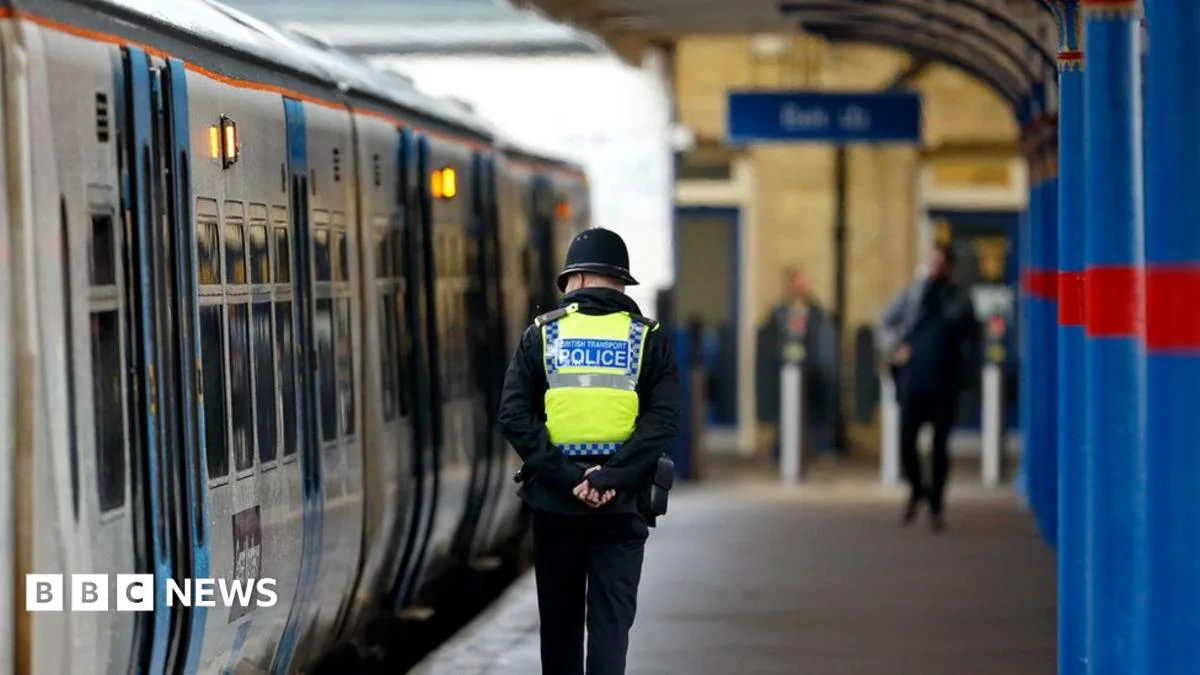
Crime recorded on British railways increased by 12% last year, with violent and sexual offences seeing significant rises, according to new figures from British Transport Police (BTP). The force recorded 68,313 crimes in 2018/19, up from 60,867 the previous year.
Violent crime rose by 16% to 13,591 cases, accounting for a fifth of all offences. Sexual offences increased by 8% to 2,635. However, BTP noted that serious crime remains rare across 3.3 billion journeys, with fewer than one serious crime per million passenger journeys.
Theft of passenger property was the most common offence, representing 21% of crimes. Other increases included anti-social behaviour and shoplifting. Deputy Chief Constable Adrian Hanstock said the rise was “of concern” but attributed it partly to record passenger numbers and stations becoming “increasingly commercial environments”.
Despite the overall increase, the rate of all crimes per million journeys has fallen from 25.6 in 2009/10 to 20.8 in 2018/19. Hanstock stressed that “the chance of becoming a victim of crime on the railway is very low”.
Susie Homan of the Rail Delivery Group said the figures show “Britain’s railway remains one of the safest in the world”. The industry is working with BTP to reverse the trend through technology such as body-worn cameras for staff.
The figures come as BTP faces a 5% budget cut, leading to the loss of 500 police officer posts. The force has warned that the cuts could impact its ability to respond to crime.