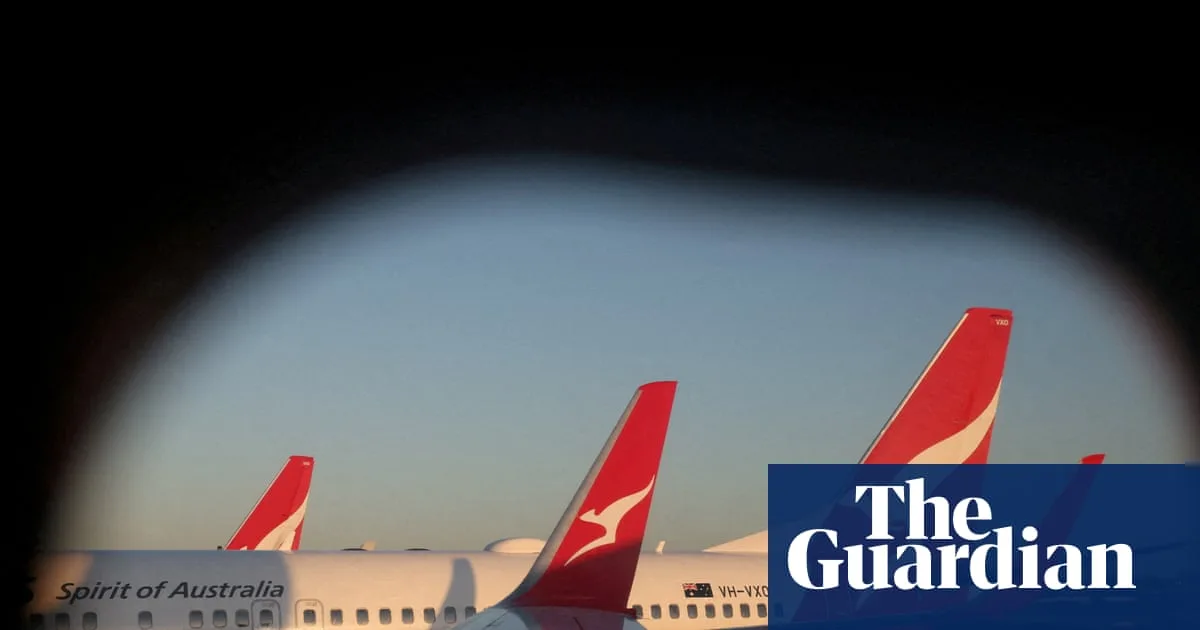
Qantas has announced it is increasing the price of its international air fares due to volatile oil prices caused by the war in the Middle East. The airline also reported higher-than-normal ticket sales for flights to Europe, as passengers from affected carriers rebook through the Australian carrier.
A Qantas spokesperson said on Tuesday that while the company hedges against changes in jet fuel prices, it was not fully covered for the spike seen in the wake of surging oil prices. The extent of the price hikes will vary across international routes, but further details were not provided.
The conflict, catalysed by the US-Israel strike on Iran in late February, has disrupted flights worldwide, with major airports and airspace affected across the Middle East, including Dubai. Qantas, which does not fly to the Middle East, has continued to operate as scheduled and reported seats rapidly filling up.
Trips to and from Europe from April to June have seen a particular increase in recent weeks. Routes such as Perth to London, Perth to Paris, and services via Singapore were more than 90% full in March, up from a typical figure of about 75%. The Perth-Rome seasonal service, resuming in May, has also been in high demand.
Qantas said it was considering adding capacity to its Europe routes, which connect through the United States, Asia and South Africa. The airline did not say whether domestic or Jetstar fares would rise. Virgin Australia, Qantas's main domestic competitor, has not announced price hikes as of Tuesday evening.
Air New Zealand told investors on Tuesday morning that profits would no longer be in line with expectations due to the spike in jet fuel costs. Brent crude surged to US$119.50 a barrel on Monday before falling to $91.58 after US President comments. About a fifth of global oil and seaborne gas tankers typically pass through the Strait of Hormuz, which has been effectively closed for a week.