
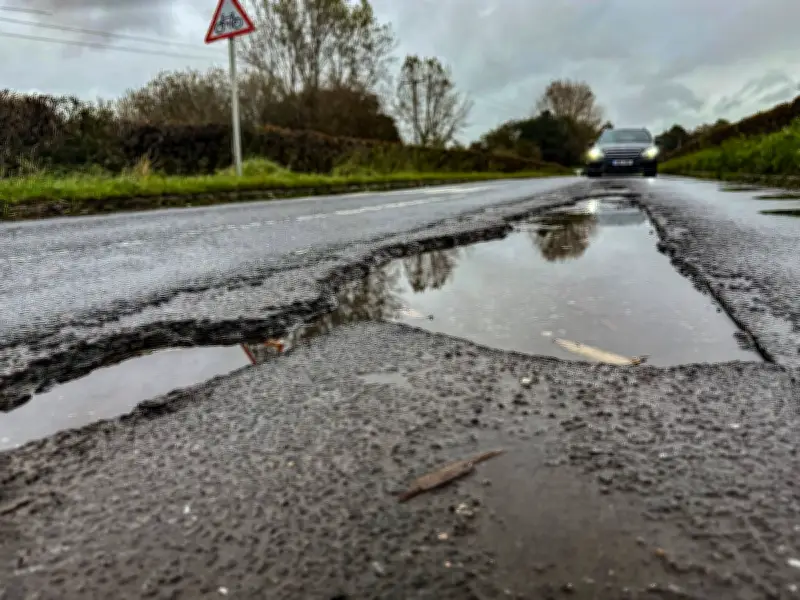
Motorists whose vehicles suffer damage from potholes may be eligible for compensation, though the likelihood of securing a payout from their local authority remains decidedly slim.
The Scale of the Problem
As Britain's road network continues to deteriorate, thousands of drivers are being landed with repair bills stretching into the hundreds of pounds for damaged suspension, shock absorbers, tyres and wheels. Consumer group Which? is cautioning drivers that while they possess a legal right to pursue compensation from the authority responsible for road maintenance, the majority of claims prove unsuccessful and can drag on for months.
Research conducted by the RAC revealed that only 26% of pothole compensation claims submitted to councils in 2024 were settled within a year, with the overwhelming majority being rejected. Indeed, 97% of councils surveyed dismissed at least 90% of the claims they received. This leaves drivers confronting a challenging dilemma: pursue the matter with the council or instead make a claim through their car insurance.
Your Legal Rights
Under UK law, motorists can pursue compensation if they can demonstrate that a council failed in its obligation to maintain the road adequately. However, councils can frequently defend claims by showing that they had a reasonable inspection and repair programme in operation.
Variation in Council Payouts
The prospects of success vary enormously depending on where drivers reside. Data obtained by price comparison site Quotezone through Freedom of Information requests revealed that more than 9,000 claims worth £10.2 million were submitted to 13 English county councils between April 2024 and March 2025.
Yet merely £666,712 was distributed – representing just 6% of the total sum claimed. Amongst the councils examined, Oxfordshire had one of the highest settlement rates, resolving claims worth 20.5% of the value requested by motorists. Warwickshire distributed 19.4%, while Nottinghamshire settled 16.1%. In contrast, drivers in certain areas encountered far more challenging prospects of recouping their losses.
Meanwhile, West Sussex County Council distributed £97,654 from claims amounting to £625,197, representing 15.6%, while Cambridgeshire County Council paid £114,294 from almost £800,000 worth of claims despite receiving 1,000 separate cases. Lower down the rankings, Surrey County Council paid merely £39,255 from claims valued at £387,189, while Suffolk County Council had the lowest settlement rate amongst the authorities listed, paying only £8,480 from claims totalling £94,370 – less than 9% of the amount requested by motorists.
Tips for Making a Claim
Motorists who choose to pursue a claim against their council are encouraged to compile as much supporting evidence as possible, including photographs of the pothole, images of the vehicle damage, repair invoices and precise details of where and when the incident took place.
Insurance as an Alternative
For many drivers, making an insurance claim may prove the more straightforward option. Fully comprehensive car insurance policies typically cover accidental damage caused by potholes, though drivers will ordinarily need to pay an excess. Which? examined 66 policies and found that 59 included a compulsory excess for accidental damage, ranging from £45 to more than £350.
Nevertheless, there can be a further sting in the tail. Making a claim could impact a driver's no-claims bonus and potentially push up future premiums, depending on the insurer and the nature of the claim. The consumer group discovered that insurers generally have a considerably stronger track record of paying out claims than councils. In a recent survey, 92% of motorists said their most recent motor insurance claim had been paid either in full or in part.
The caution comes as pothole damage traditionally reaches its peak during the first four months of the year, when wet conditions and freezing temperatures leave road surfaces particularly susceptible to deterioration.




