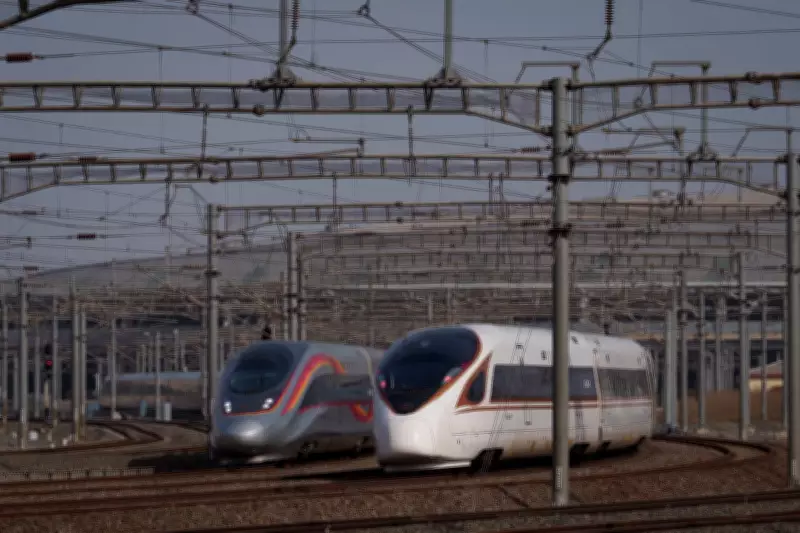
North Korea has announced the revival of a major international passenger train route for the first time since the COVID-19 pandemic, marking a significant step in reopening its borders after years of isolation. The Beijing-Pyongyang rail service, which had been suspended since 2020, is set to resume operations with its inaugural journey scheduled for 12 March, and tickets have already sold out completely.
Resumption of Crucial Transport Link
This resumption re-establishes a vital transport connection between North Korea and China, its primary economic ally, after a six-year hiatus. The move is seen as a strategic effort to enhance travel, trade, and economic cooperation between the two nations, following a prolonged period where North Korea remained largely closed to foreign tourism and international exchanges.
Exclusive Ticket Availability
Tickets for the initial train service were made available exclusively to holders of business visas, including entrepreneurs, government officials, and journalists. This selective access underscores the route's focus on facilitating professional and diplomatic engagements rather than general tourism at this stage.

Enhanced Service Frequency
According to announcements from China's railway authority, the Beijing-Pyongyang trains will operate four times a week, while the Dandong-Pyongyang services will run on a daily basis. This increased frequency aims to support sustained people-to-people exchanges and bolster bilateral trade activities, which have been limited during the pandemic closure.
The reopening of this rail link is expected to provide a much-needed boost to North Korea's economy by improving connectivity with China, potentially leading to increased investment and collaborative projects. However, it remains unclear how this development aligns with North Korea's broader foreign policy, given its history of stringent border controls and limited international engagement.