

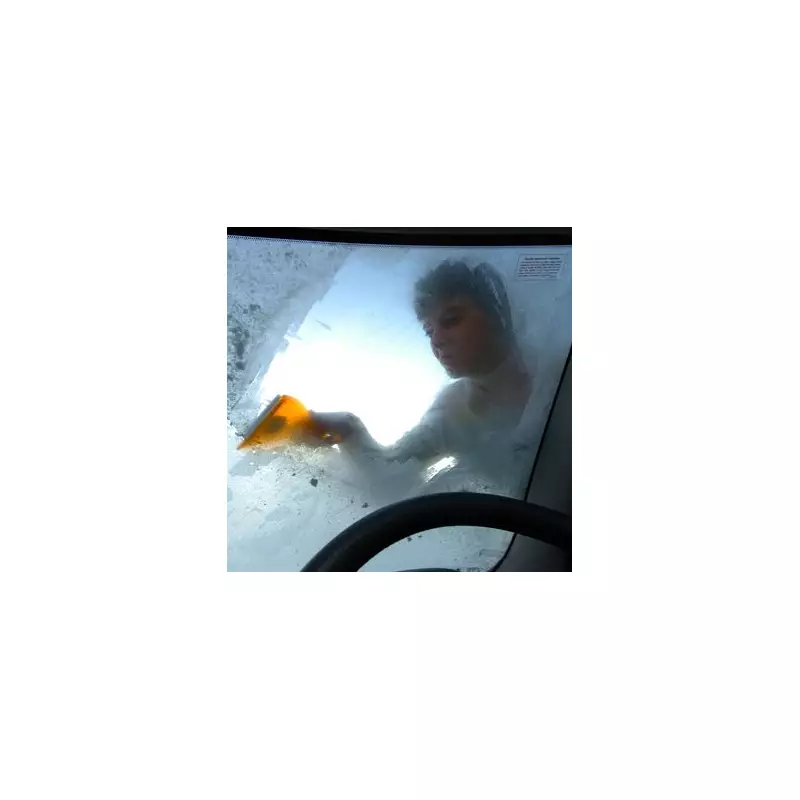
Scraping ice from your windscreen on a frigid winter morning is a tedious ritual familiar to millions of drivers across the UK. While countless tips and tricks promise a quick solution, a new method has gained serious credibility thanks to its source: a former NASA engineer.
The Space-Age Defrosting Technique
The clever four-step process was shared by Eden Tyres and Servicing, a garage chain in the East Midlands, on TikTok. The hack originates from Mark Rober, an engineer who spent nine years at the US space agency, NASA. During his tenure, Rober worked on the Curiosity rover, the robotic vehicle that has been exploring the surface of Mars since 2012, and later contributed to self-driving car projects at Apple.
Today, Rober is renowned for his popular online science content. His method for clearing your windscreen is designed to be both efficient and grounded in basic principles of physics, targeting the removal of moisture and humidity from inside the vehicle as much as melting the external ice.

The Four Crucial Steps Explained
The video narrator outlined the straightforward procedure. Step one is to start your car and immediately turn the heater to its maximum setting, directing the airflow towards the windscreen.
Step two involves activating your car's air conditioning system. While this may seem counterintuitive in cold weather, the AC unit acts as a dehumidifier, helping to absorb residual moisture from the air inside the cabin.
For step three, you must ensure the car's air recirculation function is switched off. When this button is engaged, it traps humid air inside the vehicle, significantly slowing down the defrosting process.
The final, step four, is slightly unexpected: open all of your car windows just a tiny crack. This allows the damp air inside to be exchanged for the drier air outside, dramatically accelerating the clearing of your windscreen. According to the tutorial, following these steps should result in a clear view in no time.
Public Reaction and Alternative Tips
The NASA-endorsed method sparked a lively discussion online, with many TikTok users sharing their own winter wisdom. Several advocated for the simple use of a windscreen cover, with one commenter stating, "Just took [mine] off in two seconds and my windscreen is crystal clear."
Other suggestions included using a flattened cardboard box to shield the glass overnight, or carefully applying lukewarm water to melt ice rather than laborious scraping. One user highlighted the perk of modern technology, writing, "Get an EV (electric vehicle)... Press button on phone while you are having a cuppa in the warm house. Then get into warm car with demisted windows all round."
Another humorous comment proposed: "Turn the car on, press MAX setting, lock door with spare key, walk across road to buy The Guardian. Get back and it's defrosted." A more traditional tip involved using a tiny amount of WD40 on windows and keyholes to prevent ice formation, a method said to work on older models like a Ford Fiesta without air conditioning.
However, not everyone was convinced of the universal application of Rober's hack. One sceptical user pointed out the variability between vehicles, quipping, "Has the NASA engineer tried to do this in a Clio? Takes 84 years." This underscores that while the science is sound, results may vary depending on your car's make, model, and heating system efficiency.
Ultimately, whether you opt for high-tech pre-heating, a physical cover, or the NASA engineer's systematic approach, the collective goal remains the same: to transform a frosty, opaque windscreen into a clear pane of glass as swiftly and safely as possible on a winter's morning.






