

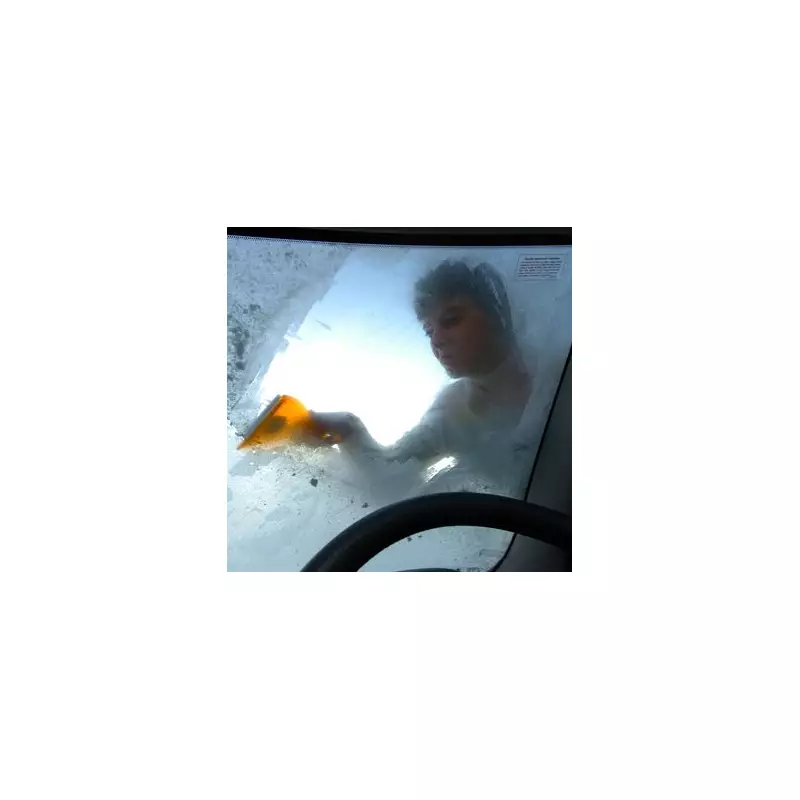
For many drivers across the UK, the winter morning ritual of scraping ice from the windscreen is a tedious and time-consuming chore. While numerous quick-fix solutions are touted online, one method now comes with a stellar endorsement: it's been shared by a former NASA engineer.
The NASA-Approved Four-Step Method
The clever hack was highlighted by Eden Tyres and Servicing, a garage chain in the East Midlands, in a recent TikTok video. The technique originates from Mark Rober, who spent nine years as an engineer at the US space agency. During his tenure at NASA, Rober worked on pivotal projects including the Curiosity rover, which has been exploring Mars since 2012, and later contributed to self-driving car technology at Apple.
The video outlines his efficient four-step process for a clear view. Step one is to start your car and immediately turn the heater to full blast. Step two involves activating the air conditioning, which helps to absorb residual moisture inside the vehicle. For step three, you must turn off the air recirculation button, as this function traps humid air inside the cabin. The final, slightly counterintuitive step four is to crack open all of the car windows just a tiny amount. This allows the damp interior air to be exchanged for the drier air outside.

"And voila - a nice defrosted windscreen," the video's narrator concludes.
Public Reaction and Alternative Tips
The social media post sparked a lively discussion, with many users sharing their own tried-and-tested methods. A popular suggestion was to use a windscreen cover overnight. One commenter affirmed, "Just took [mine] off in two seconds and my windscreen is crystal clear. So much easier."
Other practical advice included using a flattened cardboard box to shield the glass, or applying lukewarm water to melt ice quickly instead of laborious scraping. Owners of electric vehicles (EVs) boasted about their remote pre-heating capabilities, allowing them to de-ice the car from the comfort of their home.
However, some were sceptical about the universal application of Rober's method. One user humorously questioned its efficacy in certain models, stating, "Has the NASA engineer tried to do this in a Clio? Takes 84 years." Another offered a more traditional tip: "WD40 in the keyholes, a teeny teeny bit on the windows buff buff, no ice."
The Science Behind the Simplicity
While seemingly straightforward, the four-step method is grounded in principles of thermodynamics and humidity control. The rapid heating begins to melt the ice, while the air conditioning acts as a dehumidifier. Disabling recirculation and opening the windows facilitates the crucial exchange of air, replacing the warm, moist air inside with colder, drier air from outside, which accelerates the demisting process.
So, on the next frosty morning, drivers may want to trade their scraper for a bit of NASA-inspired logic. Whether you follow Mark Rober's engineering-backed steps or opt for a simple windscreen cover, the goal remains the same: a safe, clear journey ahead.






