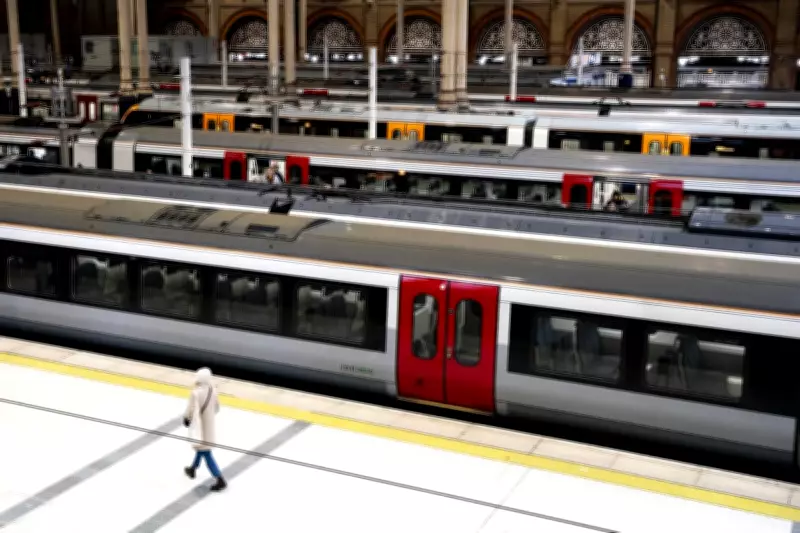
Controversial plans for a £1.2 billion redevelopment of London Liverpool Street railway station have been granted planning permission by the City of London's planning committee. The decision, made on Tuesday, gives Network Rail the green light to proceed with its ambitious proposals for the Grade II listed site, which is the UK's busiest railway station.
Major Development Plans Approved
The comprehensive redevelopment project includes the construction of a substantial 97-metre (318ft) mixed-use tower block that will be positioned directly over the station's main concourse. Network Rail has consistently maintained that its designs respect the station's "unique heritage" while modernising the facility for future needs.
Heritage Campaigners Voice Strong Opposition
Despite Network Rail's assurances, the plans have faced significant opposition from heritage preservation groups. Actor Griff Rhys Jones, who serves as president of both the Victorian Society and the Liverpool Street Station Campaign (Lissca), described the approval as a "sad day for the City of London."

Rhys Jones criticised the development, stating: "A disfiguring billion pound office block on top of a major heritage asset is not essential to the City's development plans. It will destroy an existing conservation area, demolish listed buildings, and is harmful to the surrounding historic fabric."
The campaigner further accused the City of London of having "bowed to developer ambitions, set a bad precedent for London and ignored the user." Lissca has indicated it will now await decisions from the Mayor of London and potentially the Secretary of State for Housing, Communities and Local Government.
Network Rail's Improvement Promises
Network Rail has outlined several significant improvements that the redevelopment will deliver for passengers:
- Increasing overall concourse capacity by 76 per cent
- Improving passenger flow throughout the station
- Providing step-free access from street level to all platforms, including London Underground lines
- Installing additional lifts and escalators
Ellie Burrows, managing director for Network Rail's Eastern region, commented: "This decision represents a key step towards the transformation of Britain's busiest station and marks the beginning of an exciting new chapter for Liverpool Street. Our plans focus on improving the everyday experience for passengers whilst respecting the station's unique heritage."
Addressing Future Passenger Growth
The redevelopment comes as passenger numbers are projected to increase significantly. Network Rail forecasts annual passenger numbers will grow to 158 million in the coming years, necessitating substantial infrastructure improvements.
According to figures from regulator the Office of Rail and Road, the estimated number of entries and exits at Liverpool Street in the year to the end of March 2025 was 98.0 million, already making it Britain's busiest railway station.
Burrows emphasised: "With annual passenger numbers forecast to grow to 158 million, this approval ensures the station will be future proofed for decades to come."
The project now moves forward despite ongoing opposition from heritage campaigners who maintain that the development prioritises commercial interests over historical preservation.