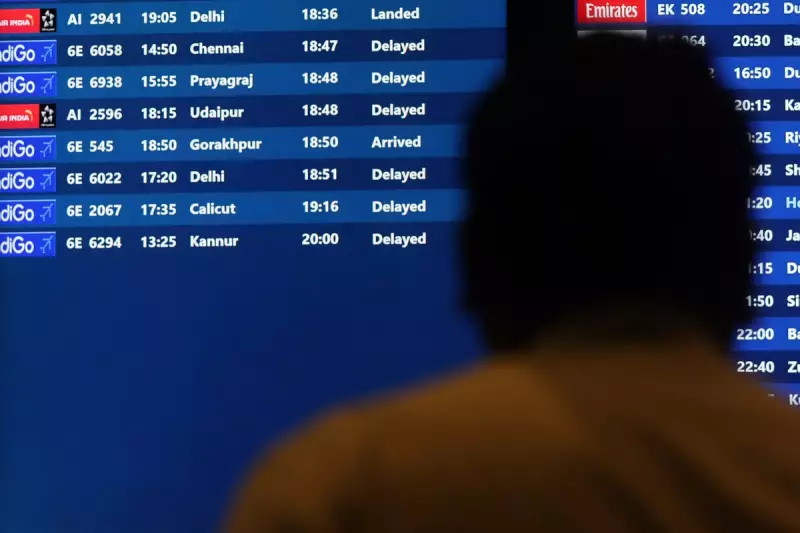
India's largest airline, IndiGo, has plunged the country's air travel network into chaos after cancelling more than 200 flights in a single day. The mass disruption on Wednesday left thousands of passengers stranded and sparked scenes of confusion and anger at major hubs including Delhi, Mumbai, Hyderabad, and Bangalore.
Root Causes of the Widespread Disruption
The carrier has pointed to a combination of factors for the latest wave of cancellations. These include adverse weather conditions, significantly increased air traffic congestion, and new government-mandated rules concerning crew rostering. This incident is not isolated, coming hard on the heels of a disastrous November for the airline, during which it cancelled over 1,200 flights.
Passenger Anger and Regulatory Scrutiny
Airports across India faced severe operational strain as a result of the cancellations. Travellers reported being left in the dark with minimal communication from the airline, leading to widespread frustration. Many took to social media to express their disbelief at the situation, with families and business travellers alike facing uncertain delays and costly alternative arrangements.

In response to the escalating crisis, India's aviation regulator has stepped in. It has formally requested a detailed report from IndiGo and launched an investigation into the causes of the repeated disruptions. The primary aim of the probe is to identify measures that can be implemented to reduce future cancellations and delays, thereby protecting passengers from further inconvenience.
Broader Implications for Air Travel
This event highlights the fragile nature of air travel infrastructure under pressure. The cited reasons—weather, congestion, and regulatory changes—present a complex challenge for airlines operating at scale. For passengers, the incident serves as a stark reminder of the potential for widespread disruption when a major carrier encounters systemic issues. The outcome of the regulator's investigation will be closely watched by both the industry and the travelling public.