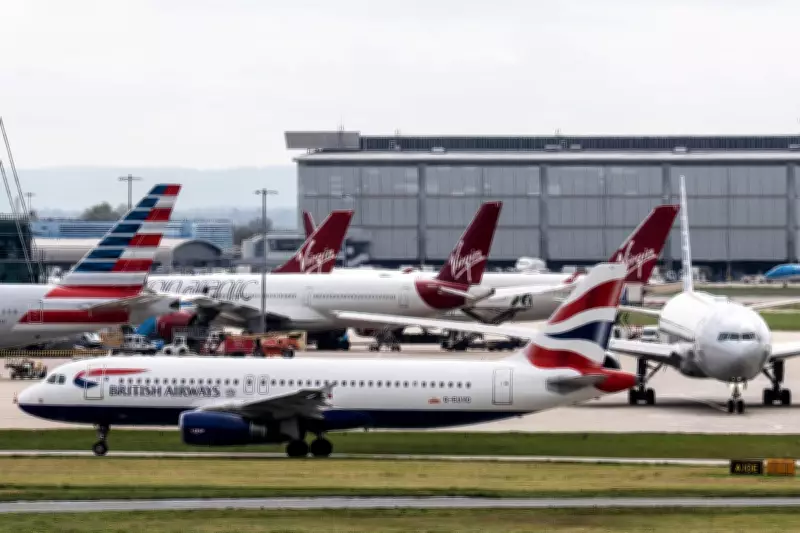
Heathrow Airport has experienced a significant 10% rise in transfer passengers during the previous month, a surge directly linked to the ongoing war in the Middle East. The west London aviation hub confirmed it temporarily absorbed demand from other regions, as the conflict prompted widespread airspace closures across affected areas.
Impact on Global Travel Hubs
Typically, airports in Dubai, Doha, and Abu Dhabi serve as critical connectors, facilitating travel between Europe and continents such as Asia and Australia, handling approximately half a million passengers daily. However, the Middle East turmoil has disrupted these vital routes, redirecting passenger flows to alternative gateways like Heathrow.
Record-Breaking Passenger Numbers
In total, Heathrow recorded 6.6 million passengers passing through its four terminals last month. This figure marks a substantial 6.9% increase compared to the same period last year, establishing it as the busiest March in the airport's operational history. The spike underscores how geopolitical events can swiftly alter global travel patterns and airport traffic volumes.

Uncertain Future Outlook
Despite the recent passenger boom, Heathrow officials have issued a cautionary note regarding the coming months. The airport warned that the outlook remains uncertain due to the persistent conflict in the Middle East, which continues to create volatility in international air travel schedules and demand.
Operational Resilience and Fuel Supply
Heathrow assured that the war's impact on jet fuel supply has not disrupted airport operations thus far. The management emphasized ongoing vigilance, stating they will monitor the situation closely and maintain liaison with Government authorities and airline partners to safeguard passenger journeys and ensure operational continuity.
Leadership Perspective
Thomas Woldbye, Chief Executive of Heathrow, commented on the situation, highlighting the airport's adaptive response. "We're doing everything we can to support airlines and passengers as travel trends shift during the Middle East crisis," he said. "While Heathrow's long-haul network absorbed demand in March, the outlook for the next few months remains uncertain."
Woldbye expressed pride in the efforts of airport colleagues, noting their quick adaptation and commitment to delivering excellent service during these challenging times. This resilience has been crucial in managing the unexpected influx of transfer passengers and maintaining smooth operations amidst external pressures.