
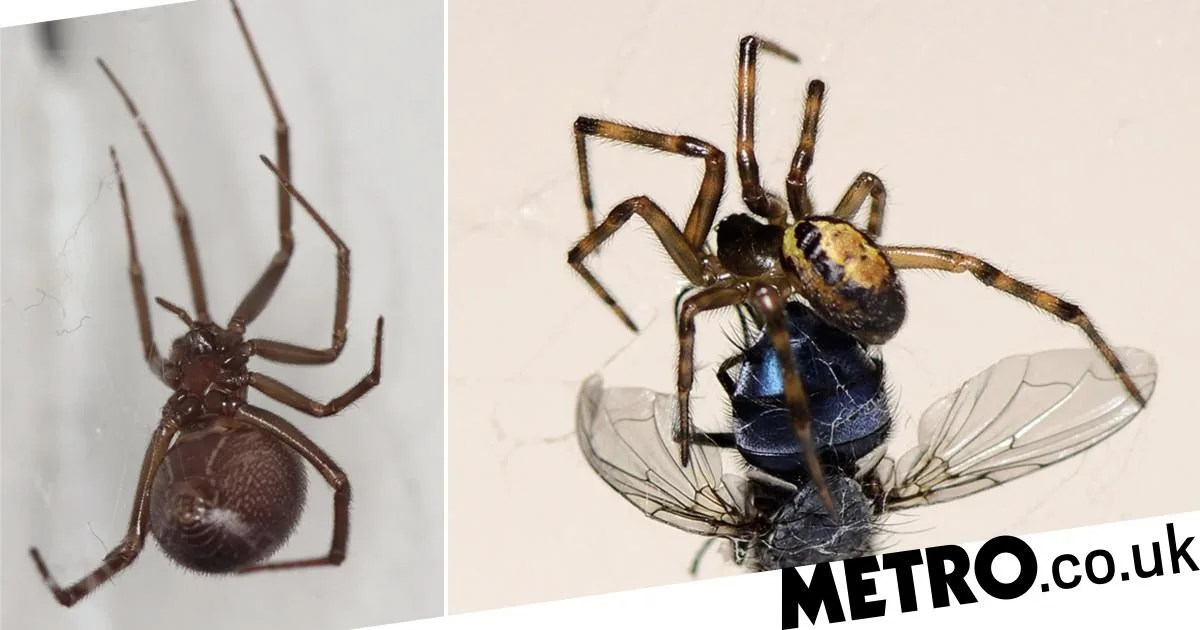
Scientists have confirmed that bites from the noble false widow spider can be severe enough to require hospital treatment, as numbers of the species surge across the UK and Ireland. A new study published in Clinical Toxicology has found that some victims experience symptoms similar to those caused by true black widow spiders, including debilitating pain, swelling, and systemic effects such as tremors and blood pressure changes.
The noble false widow, Steatoda nobilis, originated from Madeira and the Canary Islands and was first documented in Britain over 140 years ago. In recent decades, its population has expanded significantly, and it is now one of the most common spiders in urban habitats in parts of Britain and Ireland. Researchers have ruled out climate change as the primary driver, suggesting instead that a genetic mutation may have increased the spider's adaptability, while global trade has helped it spread via containers and crates.
Bites are becoming more prevalent as the spiders thrive near homes. Symptoms range from mild pain and swelling to severe cases requiring medical intervention. In rare instances, victims have developed wounds or severe bacterial infections. The study's authors, from NUI Galway, established a DNA database to help clinicians identify the species through genetic analysis.
Dr Michel Dugon, senior author of the study, stated: 'Two decades ago, this species was almost unknown in Ireland, the UK or in continental Europe. One thing is certain though, this species is here to stay, and we must learn how to live with it.' Lead author Dr John Dunbar advised people to photograph any spider immediately after a bite to aid identification, adding: 'While most cases will have a mild outcome, we need to continue to closely monitor bites... to treat severe cases when they occur.'




