

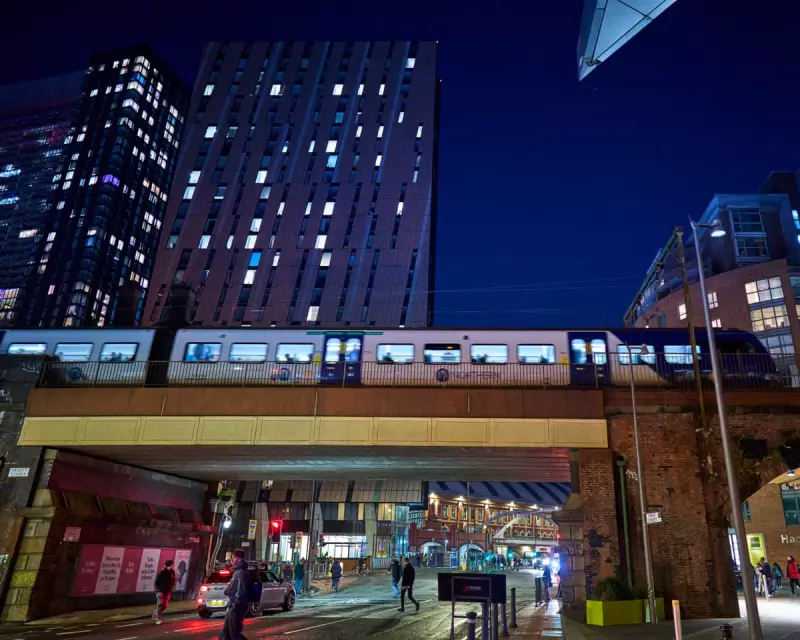
The government has committed to a major revival of the long-awaited Northern Powerhouse Rail (NPR) project, pledging up to £45 billion to forge better connections across the north of England. The plan aims to reverse years of chronic underinvestment and transform inter-city travel.
A Three-Stage Blueprint for the North
The detailed strategy unfolds in three distinct phases, starting with the ongoing upgrades to the TransPennine route. This initial work will be extended to include a new station in Bradford, a key demand from local leaders.
The second, highly significant stage will see the construction of a new line connecting Liverpool and Manchester. This route will travel via Manchester Airport and Warrington, utilising part of the axed HS2 high-speed rail plan's corridor, which leaves open a potential future link to Birmingham.

The final stage will deliver further enhanced connections across the Pennines, linking Manchester, Leeds, Bradford, Sheffield, and York with faster, more frequent services. The government stated that NPR would form the backbone of a wider economic growth plan for the region.
Funding, Timelines, and Local Contributions
While the Treasury has set a £45 billion cap to avoid the overspends seen with HS2, mayors and local authorities may need to raise additional revenue to ensure the full scheme proceeds. This could mirror the Crossrail funding model in London, with options including business rates, tourist taxes, or borrowing against future revenues.
The timeline for the project is undeniably long-term. Construction on the core NPR plan is expected to begin in the 2030s, with completion not anticipated until at least 2045. Any subsequent new line between Manchester and Birmingham would only start after that.
Mayoral Reactions and Key Battles
Northern mayors have broadly welcomed the announcement, though negotiations with Whitehall were reportedly tense. Prime Minister Keir Starmer stated the investment proved the government was "putting our money where our mouth is" to end a cycle of broken promises for the north.
Andy Burnham, the Mayor of Greater Manchester, described it as a "significant step forward," praising the "ambitious vision" and an openness to his crucial demand for an underground station at Manchester Piccadilly. The cost difference between an underground and overground solution is estimated in the billions, and Burnham pledged Manchester would "work at pace" to prove the case for the subterranean option.
Steve Rotheram, Mayor of the Liverpool City Region, welcomed the "genuinely strategic approach," calling it real investment delivered in partnership. In Yorkshire, mayors highlighted the clear focus on connecting Sheffield, Leeds, Bradford, and York, with Bradford confirmed as a major immediate beneficiary of the first stage.
Despite the positive reception, the scale of the challenge remains. The package, while substantial, requires sustained political will and complex local funding partnerships over decades to become a reality. For now, northern leaders have secured a firm government commitment to a project they argue is essential for unlocking the region's economic potential.






