A significant shift in travel behaviour is sweeping across the United Kingdom as soaring fuel prices compel motorists to reconsider their daily commutes. According to a newly released survey, almost a third of British drivers are now opting to walk or cycle more frequently, abandoning their cars in response to the financial strain at the pump.
Survey Highlights Growing Trend Towards Active Travel
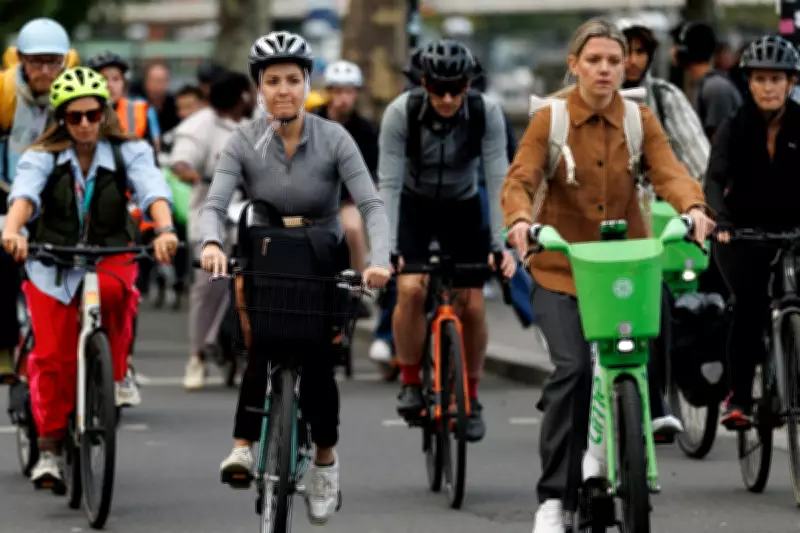
The YouGov poll, commissioned by the cycling advocacy group Cycling UK, provides compelling evidence of this behavioural change. Conducted on 31 March and 1 April, the survey gathered responses from 2,099 UK adults, offering a robust snapshot of national sentiment. The findings indicate that 30% of drivers have already increased their walking and cycling habits, while an additional 15% are actively contemplating making the switch to more active forms of transport.
Persistent High Costs Despite Recent Fluctuations
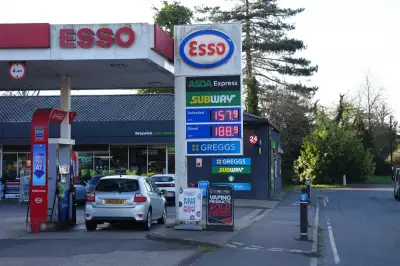
Fuel prices have remained stubbornly elevated since the onset of conflict in the Middle East on 28 February, despite experiencing a minor recent decline. This sustained high cost is identified as the primary catalyst for the shift in travel patterns, placing considerable pressure on household budgets and prompting a reevaluation of transportation choices.

Calls for Government Intervention to Support Transition
In light of these findings, Cycling UK is intensifying its campaign for governmental action. The organisation is urging both the UK government and devolved administrations to implement a suite of measures designed to facilitate and encourage the transition to walking and cycling. Key proposals include the provision of financial support for the purchase of bicycles and e-bikes, alongside significant investments in road safety infrastructure to protect vulnerable road users.
The overarching goal is to create a more supportive environment for active travel, ensuring that the current trend, driven by economic necessity, evolves into a lasting, positive change for public health and environmental sustainability. This shift represents not just a reaction to a price crisis, but a potential long-term transformation in how Britons move around their communities.