Holiday Flight Cancellations Loom Amid Global Jet Fuel Shortages and Price Surges
As the conflict between the US, Israel, and Iran persists, travellers worldwide are facing increasing disruptions, with airlines grappling with severe jet fuel shortages and skyrocketing prices. On Tuesday 7 April 2026, Air New Zealand announced further cuts to its domestic flight network for May and June, citing the ongoing impact of high fuel costs. This move grounds approximately one in every 25 flights, adding to a growing list of carriers adjusting schedules amid the crisis.
Global Fuel Supply Concerns Intensify
A spokesperson for Air New Zealand explained, "We have worked hard to keep disruption to a minimum, with the vast majority of impacted customers still travelling on the same day. These changes are relatively small compared to others in the New Zealand market, where some airlines are reducing capacity by more than 10 per cent." The airline highlighted that jet fuel prices have more than doubled globally, driving higher costs across the industry and leading to fare increases on some routes.
Simultaneously, Australia's government revealed that the nation has only 30 days' supply of jet fuel remaining, heightening anxieties about aviation stability. This announcement coincides with flight groundings in parts of Asia and contingency planning by European airlines. Michael O'Leary, chief executive of Ryanair, warned of "the risk of supply disruptions in Europe in May and June" unless the war concludes swiftly.

Assessing the Severity of Fuel Shortages
In some regions, particularly Asia, the impact has been severe, with deep flight cuts and steep surcharges added to airfares. For UK passengers, effects have been limited so far. Aurigny, a small Channel Islands airline, has grounded some flights between Britain and Guernsey and applied a £2 surcharge on new bookings. Skybus, serving the Isles of Scilly, has axed its link between London Gatwick and Newquay in Cornwall.
Major British and Irish airlines remain confident that supplies will suffice through April, but uncertainty looms beyond. O'Leary elaborated to Sky News, "The fuel companies are happy there won't be disruption till early May. But if the war continues, we do run the risk of supply disruptions in Europe in May and June." He estimated that 10 to 25 per cent of Ryanair's supplies might be at risk if the conflict persists.
The Department for Energy Security and Net Zero assured that jet fuel shipments continue to arrive in the UK from sources like India, the US, and the Netherlands. However, in Asia, reliance on Gulf supplies has led to cancellations in Vietnam and the Philippines. Pakistan has advised foreign pilots to carry maximum fuel from abroad, citing supply chain disruptions.
Implications for British and European Airlines
The warning from Pakistan is significant, especially for long-haul flights from Europe to Asia. While short hops can utilise "tankering"—carrying extra fuel—longer routes may face challenges if airports run short. In such cases, airlines might need to make stopovers to refuel, as seen in Cuba due to the US blockade.
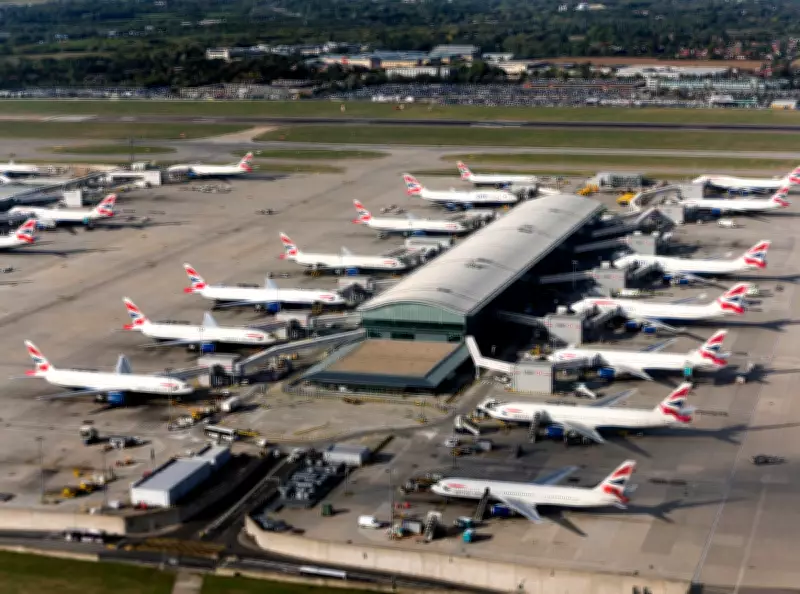
Paradoxically, European airlines, including British Airways and Virgin Atlantic, are increasing flights to Asia to capitalise on reduced Gulf airline schedules and passenger reluctance to transit through no-go hubs like Dubai, Abu Dhabi, and Doha. Meanwhile, US and Scandinavian airlines, such as United and SAS, have cancelled thousands of flights, primarily due to financial pressures from unhedged fuel costs turning profitable routes into losses.
Passenger Rights and Potential Surcharges
Under air passengers' rights rules, travellers on flights departing from the UK or the EU, or on British or European airlines globally, are entitled to alternatives, meals, and hotels if cancellations occur. For UK-based airlines like British Airways, easyJet, Jet2, Ryanair, and Virgin Atlantic, fuel hedging has locked in lower prices, meaning no surcharges for existing passengers.

However, package holidays are a different story. Travel firms not hedged against fuel price rises can impose surcharges under the Package Travel Regulations, with no upper limit. If a surcharge exceeds eight per cent, customers have the right to a refund. Many surcharges hover around this threshold, potentially adding £80 to a £1,000 holiday.
For flights booked abroad, surcharges are more likely. Bo Lingam, chief executive of AirAsia X, stated, "We have implemented carefully calibrated fare adjustments, including a one-off fuel surcharge across the network."
Long-Term Outlook and Travel Advice
Looking ahead, higher fares are probable as airlines' fuel hedging arrangements unwind, increasing costs. Kenton Jarvis, chief executive of easyJet, noted, "The industry has no choice. It's a low-margin, highly competitive sector. We make about £7 per seat. If fuel goes up £10, you have to respond."
While panic buying is not advised, securing flights for upcoming months with strong consumer protection can be wise. For instance, purchasing a £40 ticket to Cyprus in May on Wizz Air or a return from Georgia on easyJet offers reassurance; if cancelled, airlines must provide alternatives at no extra cost under passenger rights rules.
As the situation evolves, travellers are urged to stay informed and understand their rights amidst the uncertainty surrounding global aviation fuel supplies.