Drivers in the North Atlantic have the unique opportunity to navigate the planet's first and only underwater roundabout, located within a spectacular tunnel system in the Faroe Islands.
An Engineering Marvel Beneath the Sea
The remarkable roundabout is situated in the Eysturoy Tunnel, which opened in December 2020. This engineering feat has revolutionised travel across the archipelago, dramatically reducing journey times. The trip from the capital, Torshavn, to the village of Runavik now takes just 16 minutes, a staggering reduction from the previous one hour and 14 minutes.
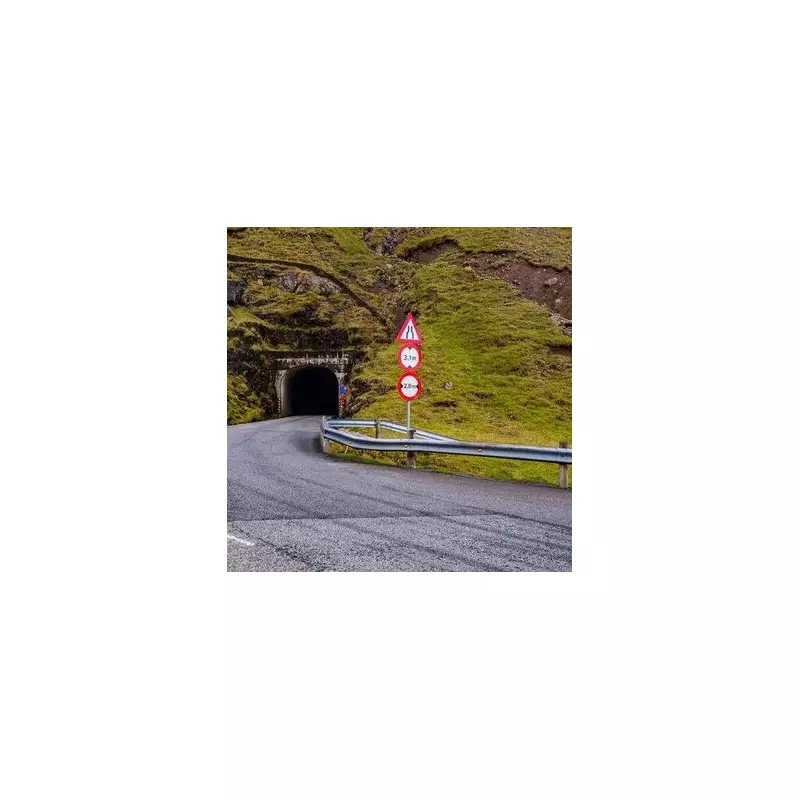
The Faroe Islands, a self-governing territory within the Kingdom of Denmark, are positioned roughly midway between Scotland and Iceland. Their remote location and unpredictable weather historically made travel between the 17 inhabited islands challenging. This prompted the development of an extensive network of 17 land tunnels and four subsea passages, with the deepest point reaching 187 metres below sea level.

Safety, Art and the 'Magical' Drive
While the thought of driving under the Atlantic might seem daunting, officials assure the tunnels were designed with utmost safety in mind. Teitur Samuelsen, CEO of the operating company Eystur-og Sandoyartunlar, stated the infrastructure was planned by world-leading engineers and geologists, making safety "not an issue."
The experience inside is far from mundane. The Eysturoy Tunnel's roundabout has been described as "magical" by visitors, with its dramatic, colourful lighting drawing comparisons to the Northern Lights or even jellyfish. This commitment to aesthetics extends across the network. The Sandoy Tunnel, linking Streymoy and Sandoy, features glow-in-the-dark totems inspired by Faroese folklore.
Súsanna Sørensen, marketing manager for Visit Faroe Islands, highlighted how the tunnels redefine the island experience: "Though we are 18 islands, we often joke that we defy the fact that we are islands (thanks to the tunnels)."
More Than Just a Transport Link
The decision to incorporate art into these subterranean roads was both cultural and practical. As Teitur Samuelsen explained, it supports local artists and, crucially, "breaks up the monotony in a long, dark tunnel, so it's good for driving safety." This fusion of practical engineering, safety, and cultural expression makes the Faroese tunnel network a unique destination in itself.
The project stands as a testament to innovative infrastructure that not only solves logistical challenges but also enhances the daily life and visitor experience for those in this remote and beautiful part of the world.