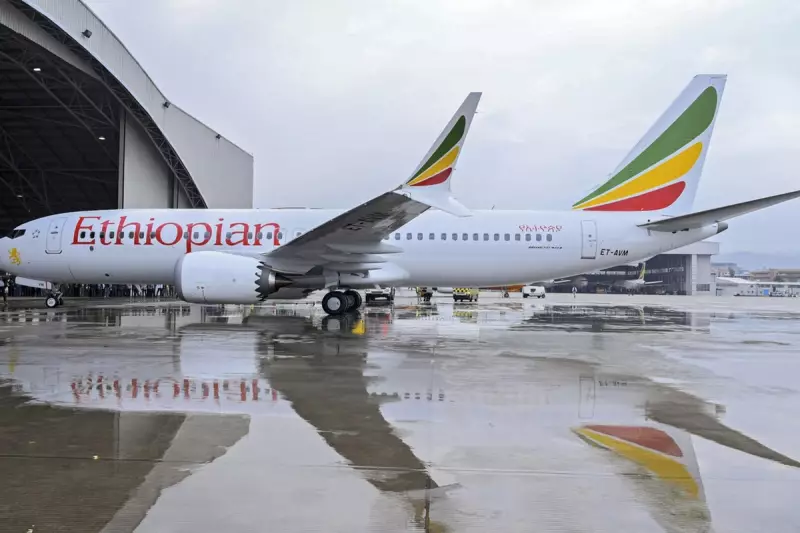
Ethiopian Airlines has officially broken ground on a monumental $12.5 billion airport project, a development destined to become the largest aviation hub on the African continent upon its completion in 2030.
A New Aviation Giant for Africa
The state-owned carrier initiated construction on Saturday, 10th January 2026, in the town of Bishoftu, located roughly 45 kilometres southeast of the capital, Addis Ababa. The scale of the project is staggering. Bishoftu International Airport will have the capacity to handle 110 million passengers annually, a figure that Prime Minister Abiy Ahmed Ali confirmed is more than four times the capacity of Ethiopia's current primary airport, Bole International in Addis Ababa.
Prime Minister Abiy, announcing the news on X, stated, "Bishoftu International Airport will be the largest aviation infrastructure project in Africa's history." He highlighted the pressing need for the new facility, noting that Bole Airport is expected to reach its operational limits due to existing traffic within the next two to three years.

Funding and Construction Timeline
The financial blueprint for the colossal project involves a mix of internal and external funding. Abraham Tesfaye, the airline's Infrastructure Development & Planning Director, explained that Ethiopian Airlines will fund 30% of the cost, with lenders covering the remaining 70%. The project's budget has increased from an initial estimate of $10 billion to the current $12.5 billion.
Speaking at the site, Mr Tesfaye confirmed that $610 million has already been allocated for initial earthworks, which are scheduled for completion within one year. The main contractors are set to commence their work in August 2026.
A consortium of international creditors is supporting the venture. The African Development Bank, which pledged a $500 million loan last August, is leading efforts to raise a further $8.7 billion. Lenders from the Middle East, Europe, China, and the USA have shown strong interest in financing the project, according to Abraham Tesfaye.
Design and Operational Scale
Ethiopian Airlines has secured the contract to design the new airport, which will feature an impressive four runways and space to park 270 aircraft. This infrastructure is critical for supporting the continued expansion of the carrier, which is already Africa's biggest airline.
The airline's growth trajectory underscores the necessity for the new hub. In the 2024/25 period alone, Ethiopian Airlines added six new routes to its network while reporting expanding revenues. The Bishoftu airport is designed to cement Ethiopia's position as the dominant aviation gateway to Africa for decades to come.