As Britain braces for a turbulent February with predicted snowfall across various regions, National Highways is issuing a crucial safety reminder to all motorists. The agency is urging drivers to keep a specific everyday item in their cars throughout the winter months to enhance road safety and preparedness.
The Essential Winter Item You Might Overlook
While winter car kits typically include obvious items like ice scrapers and de-icer, National Highways is emphasising the importance of keeping sunglasses readily available in your vehicle. This recommendation might seem unusual initially, but it addresses a significant hazard during the colder months.
Why Sunglasses Are Crucial for Winter Driving
During winter, the sun sits lower on the horizon, particularly at dawn and dusk, which can shine directly into drivers' eyes and create dangerous glare conditions. This effect is amplified when sunlight reflects off snow and ice, sometimes producing more intense glare than on bright summer days.

Extended exposure to this glare can cause eye strain and reduce visibility, making it harder to spot critical road signs, pedestrians, and hazardous black ice. Sunglasses effectively reduce this glare, helping motorists maintain better vision and reaction times.
Comprehensive Winter Car Kit Recommendations
National Highways advises drivers to prepare a complete winter emergency kit for their vehicles. This preparation becomes particularly important as vehicle breakdowns during winter pose increased risks, with rescue services potentially taking longer to reach stranded motorists in adverse conditions.
The agency recommends including these essential items:
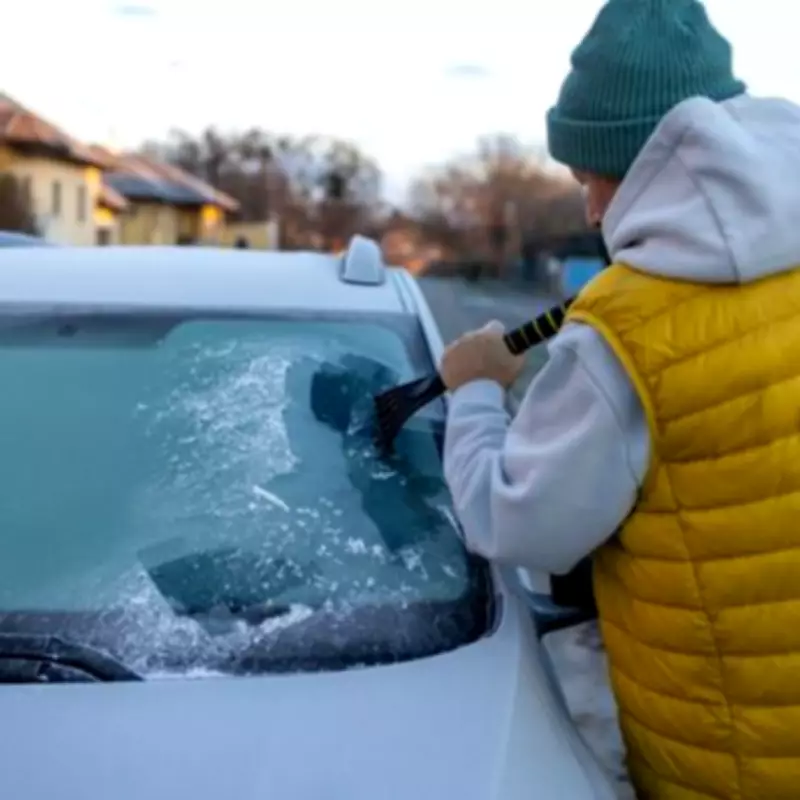
- Ice scraper and de-icer
- Fully charged mobile phone with car charger
- Torch with extra batteries
- Snow shovel for clearing paths
- Bottled water and non-perishable food supplies
- Warm clothing, blankets, and sturdy boots
- Sunglasses for glare reduction
Additional Winter Driving Safety Advice
Beyond preparing an emergency kit, National Highways offers further guidance for winter driving safety. During severe weather, they recommend travelling only when absolutely necessary and adjusting driving behaviour accordingly.
Key driving tips include:
- Reduce speed and accelerate smoothly to prevent skidding
- Avoid abrupt braking that can lock wheels on icy surfaces
- Maintain at least half a tank of fuel to prevent fuel line freezing
- Plan frequent stops during snowy conditions
While some motorists might consider a comprehensive winter kit excessive, National Highways stresses that proper preparation can transform a potentially dangerous breakdown situation into a manageable inconvenience. With emergency services often stretched during icy conditions, being self-sufficient can prove invaluable for safety.
The agency concludes: "Carrying essential winter supplies ensures you remain as safe as possible should an emergency arise, particularly when severe weather is forecast."