The Rise of Budget Airline Extra Charges
In the past, purchasing a plane ticket was a straightforward transaction, often handled by a local travel agent. However, the emergence of budget carriers such as Ryanair, EasyJet, Wizz Air, and Norwegian Air has transformed air travel into a complex maze of additional fees. These airlines now charge extra for cabin bags, checked luggage, seat reservations, priority boarding, car hire, and even basic food and drink.
Michael O'Leary, the outspoken CEO of Ryanair, once famously suggested he might give away tickets for free, relying solely on 'auxiliary revenue' to sustain the business. He even joked about charging passengers to use the toilet. This cheeky approach highlights the aggressive monetisation strategies employed by low-cost airlines.
The Cost of Convenience
Currently, placing a bag in the overhead locker on a Ryanair flight from London Gatwick to Alicante this summer costs £36.50, a price that could double by July. For a family of four, this adds an extra £146 to their travel expenses. EasyJet demands even more, charging £47.98 for a bag slightly larger than Ryanair's allowance on a route from London Luton to Bodrum.

These airlines lure customers with cheap base fares, only to bombard them with digital upselling for various extra services. It's a business model that prioritises ancillary revenue over customer convenience.
Fighting Back with Innovative Solutions
Inspired by individuals like Laura Poole, who posted her belongings for £2.29 instead of paying Ryanair £30, one journalist decided to take matters into his own hands. He embarked on a mission to beat the system using a specially designed coat.
The Wearable Wardrobe
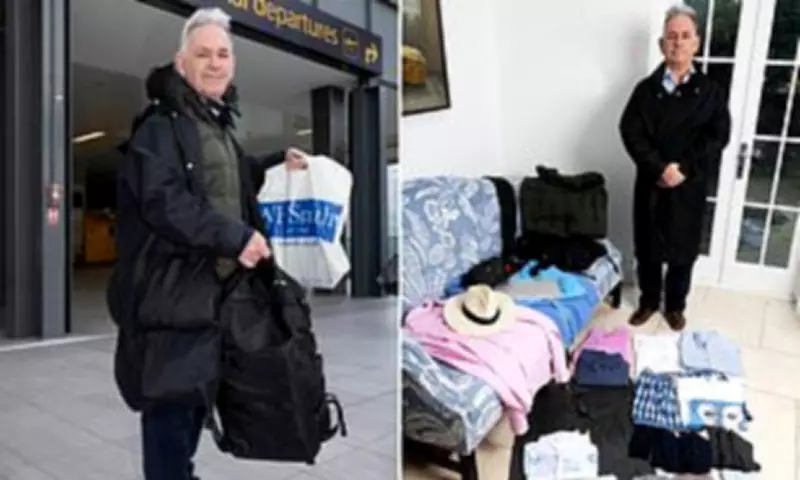
The key to this strategy is a long coat that appears normal externally but conceals 14 zipped internal pockets, plus two deep front pockets. This garment, made from recycled plastic bottles and ocean waste, allows travellers to carry a full week's wardrobe without paying baggage fees.
For a flight from London Gatwick to Dublin, the journalist packed the following items into the coat:
- A pair of black trainers
- Five shirts
- One pair of trousers
- Two T-shirts
- Two polo shirts
- Various socks
- Swimming trunks
- Six pairs of boxer shorts
- Shorts
- A wash bag
- A notebook
Additionally, he used a vacuum-packed backpack for a small under-seat bag and a WHSmith shopping bag to avoid scrutiny from airline staff.
The Airport Experience
At security, the coat landed in the tray with a heavy thud, prompting a humorous comment from staff. Despite the weight and bulk, the journalist managed to distribute the load evenly, though he couldn't fasten the coat. He boarded the plane looking like a modern-day hunchback but saved approximately £40 on baggage fees.
Diana Yanes, founder of Wear to Fly, spent two years developing the Fly On jacket in her Milan design studio. She created nine prototypes before finalising a product that is both practical and stylish. The jackets are available in bottle green, navy blue, black, and sandy brown, with sizes up to XXXXXL.
The Future of Airline Fees
Budget airlines constantly evolve their rules regarding baggage allowances. Ryanair currently permits a free under-seat bag measuring 40cm high and 30cm wide, while EasyJet allows 45cm by 36cm. Bags exceeding these dimensions incur fees of £48-£55 for hold placement.
Interestingly, airline policies explicitly permit overcoats, umbrellas, and duty-free bags, but make no mention of WHSmith bags. This loophole allows savvy travellers to exploit the rules in their favour.
A Temporary Victory
While this coat-based hack offers a clever workaround, it may only be a matter of time before airlines start charging for bulky outerwear. The battle between passengers and budget carriers is relentless, but for now, this innovative approach provides a small, exhilarating victory against rising travel costs.
As one passenger remarked, it's about being 'garment heavy but fiscally light'—a mantra that could redefine how we approach air travel in the age of ancillary fees.