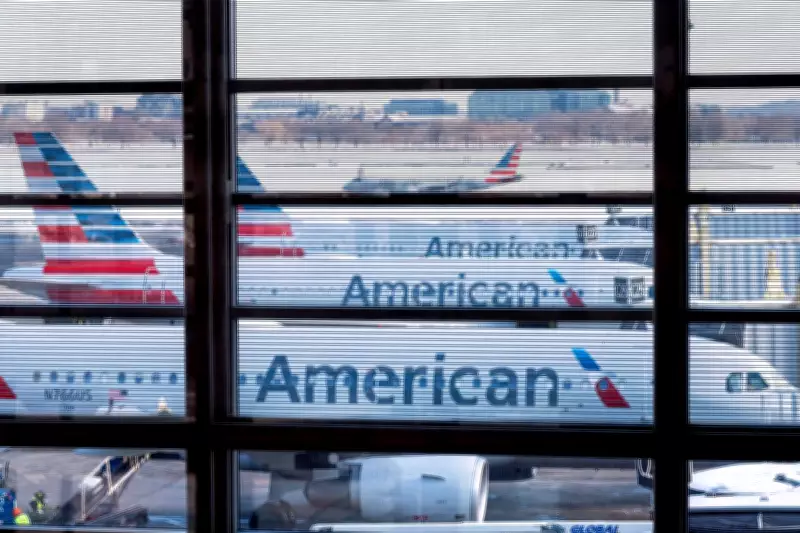
American Airlines has officially received approval to resume regular commercial flights to Venezuela, becoming the first United States airline to do so since services were suspended in 2019. The approval was granted on Wednesday, March 4, 2026, following a directive from the US Transportation Department to open commercial airspace over Venezuela earlier this year.
Background and Diplomatic Context
The decision to restore flights comes after President Donald Trump ordered the Transportation Department to open up Venezuelan airspace in January 2026, in the aftermath of a US military raid that ousted then-President Nicolás Maduro. This move represents a notable development in US-Venezuela relations, which have been strained since diplomatic ties deteriorated in 2019.
Flight Suspensions and Resumption Plans
American Airlines was the last US airline operating in Venezuela when it suspended its routes in 2019. These included flights between Miami and Caracas, the Venezuelan capital, as well as services to Maracaibo, a key oil hub city. The airline announced its intent to restore service in January 2026, coinciding with the presidential order to reopen airspace.

Despite the State Department's ongoing travel warnings advising Americans against visiting Venezuela due to safety concerns, the government has cleared the way for American Airlines to begin scheduling flights. Specific details regarding flight schedules, frequencies, and exact routes between the United States and Venezuela are not yet available, according to the airline.
Potential Impacts and Opportunities
The resumption of flights could facilitate the reunification of families separated by the travel hiatus and open up new business opportunities between the two nations. Prior to the suspension, Venezuelans and Americans frequently vacationed in each other's countries, a practice that may now be revived. American Airlines has emphasised that this initiative aims to provide customers with enhanced connectivity and support economic and personal exchanges.
This approval marks a cautious step towards normalising air travel, though it remains to be seen how passenger demand and geopolitical factors will influence the long-term sustainability of these routes.