British Airways boss Willie Walsh has shared his unconventional method for beating jet lag: drinking red wine. The former pilot and CEO of IAG told The Sun: "A couple of glasses helps you to sleep. Red wine is the cure for everything!" He added that a doctor once advised him to drink more red wine daily, prompting Walsh to cheekily ask for a prescription for half a bottle.
However, medical experts disagree. Dr Clayton T. Cowl, Chair of Mayo Clinic’s Division of Preventive, Occupational and Aerospace Medicine, advises against alcohol on long-haul flights. "Avoid dehydration by taking in fluids and avoiding alcohol or excessive caffeine," he told Express.co.uk. Aircraft cabins have humidity levels of just 20 per cent, lower than the Sahara desert, which can cause dehydration-related issues like headaches and sore throats. Alcohol exacerbates this.
American Airlines flight attendant Lauren Bamonte recommends an alcohol-free approach: "When flying transatlantic, try to arrive at bedtime in the destination time zone so you can go straight to bed and more quickly adjust. If you need to land during the day, try to stay awake until a regular time that evening."
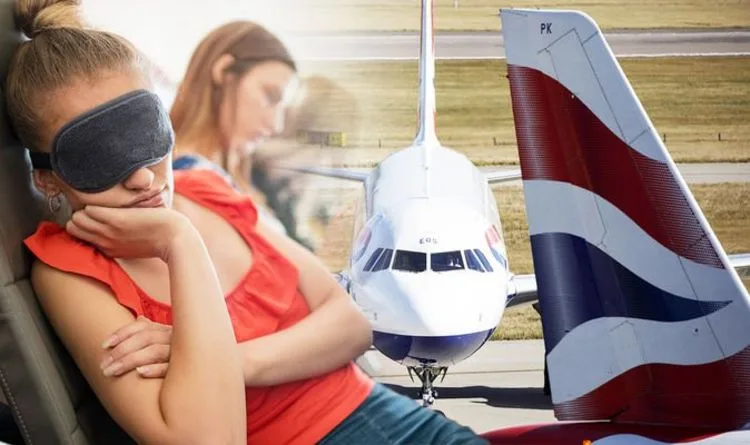
The NHS advises that while jet lag cannot be prevented, its effects can be reduced. Before travel, get plenty of rest and follow good sleep practices. During the flight, drink plenty of water, sleep if it's nighttime at your destination, and use an eye mask and earplugs. Keep active by stretching and walking around. On arrival, adjust your sleep schedule quickly, set an alarm to avoid oversleeping, and get natural light to help reset your body clock.
British Airways flight attendant Rob Staines also emphasises moisturising: "Always have a good moisturiser. It doesn't have to be an expensive one." He suggests using a facial mist, which is easy to carry in a liquids bag.