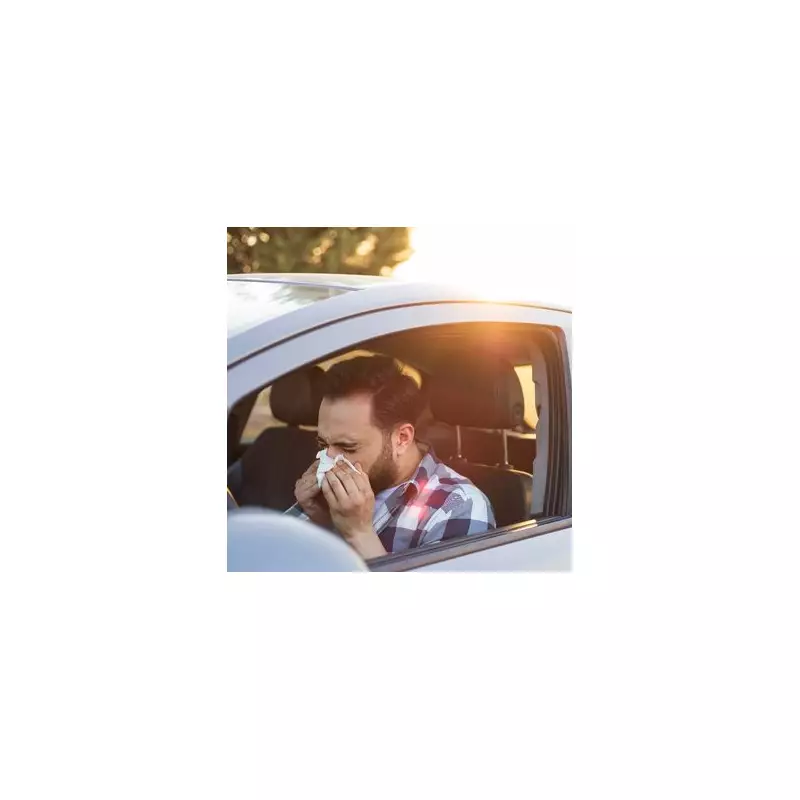
The AA has issued a stark safety alert to motorists across the UK this January, urging anyone suffering from a common cold or flu to reconsider driving. As freezing temperatures return and seasonal illnesses spread, the motoring organisation highlights a hidden danger lurking in many medicine cabinets.
The Hidden Risk in Cold and Flu Remedies
While over-the-counter medications provide relief from symptoms, the AA cautions that many contain ingredients which can cause significant drowsiness, impairing a driver's ability to operate a vehicle safely. The primary culprits are antihistamines like diphenhydramine, found in brands such as Benadryl, and doxylamine, common in night-time formulations. The cough suppressant dextromethorphan (DXM) can also have a sedative effect.
In guidance shared on Instagram, an AA spokesperson stressed the importance of checking medicine labels for warnings that state "May cause drowsiness." He advised: "Feeling under the weather? Watch out for cold and flu remedies, and swap the driver's seat for the passenger's seat if they make you feel drowsy."

The organisation's clear recommendation is that drivers should not get behind the wheel until they know exactly how a medication affects them, and if in any doubt, to avoid driving altogether.
Essential Winter Driving Precautions
Beyond medication risks, the AA emphasised the critical need for adjusted driving behaviour during the winter months. A major concern is stopping distances, which can become up to ten times longer on icy roads compared to dry conditions. This is due to tyres hardening in the cold, drastically reducing grip and making effective braking far more difficult.
The spokesman advised motorists to adopt a slower, gentler approach: "You're going to need to embrace a slower pace and be gentle with your manoeuvres." He recommended allowing extra time for journeys, sticking to main gritted roads, and ensuring windows are fully cleared and de-misted before setting off.
Practical Tips for Icy Conditions
The AA provided specific techniques for safer winter driving:
- To minimise wheelspin when pulling away, gently ease off the clutch in second gear.
- Brake only gently and with great care.
- Drivers of automatic vehicles should consult their handbook for a dedicated snow or ice driving mode.
For those who become stranded, the advice is to clear snow from around the tyres, straighten the steering wheel, and place an item like an old jumper or cloth in front of the wheels for extra grip.
The AA's concluding message for January 2026 is simple: "Take things slow and steady and stay safe this winter." By being aware of both medicinal side-effects and hazardous road conditions, drivers can make smarter choices to protect themselves and others on the road.