

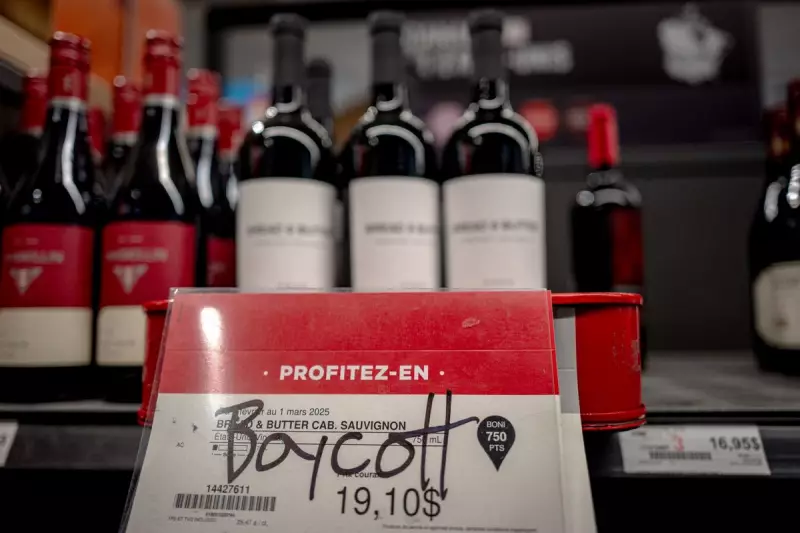
A steadfast consumer boycott in Canada, driven by opposition to President Donald Trump's aggressive trade policies, has caused sales of American wine to its northern neighbour to collapse by a staggering 91 percent since 2024. New research reveals that almost three-quarters of Canadians remain committed to the protest, refusing to back down.
A Nation Holds the Line
According to a Nanos Research Group poll conducted for Bloomberg, 73 percent of Canadians are still in favour of maintaining the boycott of US alcohol brands. Only 20 percent believe it is time to retreat from the trade dispute. The movement, a direct rebuke of President Trump's tariff impositions and rhetoric, has ignited a renewed sense of patriotism across the country.
The president's return to power was marked by threats to use "economic force" to compel Canada into statehood, the imposition of 25 percent tariffs on Canadian steel and aluminum, and combative talk about crushing its auto industry. In response, provinces including Quebec and Ontario pulled American spirits and wines from store shelves last year, actively encouraging shoppers to buy local.

Devastating Commercial Consequences
The impact on American exporters has been severe. Data from the U.S. Department of Agriculture shows that in October alone, wine sales to Canada fell 84 percent year-on-year, with spirits down 56 percent. This follows a complaint from U.S. vintners noting the 91 percent overall slide since 2024, when Canada was the top export market for American wine.
Individual brands are facing a crisis. Brown‑Forman Corporation, the Kentucky distiller of Jack Daniel's, reported organic net sales of its Tennessee whiskey to Canada plummeted by over 60 percent in the first half of fiscal 2026. Jim Beam has paused production at its main Kentucky distillery due to slumping demand, citing lost exports not just to Canada but also to Europe and Japan.
In a stark adaptation, Minnesota's Phillips Distilling Company outsourced production to a contractor in Montreal after a 70 percent sales decline in Canada, rather than continue distilling products for the northbound market at home.
Political Stalemate and Wider Rift
The White House has defended its strategy. Spokesman Kush Desai told The Independent that President Trump's "skillful use of tariffs" has created market access to economies worth over $30 trillion, predicting a future boom for American producers. However, the administration is simultaneously increasing pressure on Prime Minister Mark Carney's government to lift the provincial bans.
U.S. Trade Representative Jamieson Greer has warned that ending the bans is a condition for a successful review of the vital U.S.‑Mexico‑Canada Agreement this year. Talks nearly concluded last October but were derailed when President Trump became infuriated by an advert from Ontario Premier Doug Ford that featured a clip of Ronald Reagan criticising tariffs.
The boycott's spirit extends beyond alcohol. The Nanos poll found 71 percent of Canadians are now "less likely" to purchase any U.S.-made goods, with a further 11 percent "somewhat less likely." Statistics Canada also noted a 28 percent drop in trips to the US by plane and car compared to last year, underscoring a broader cooling of relations for as long as Trump remains in office.






