Seafarers Trapped in Gulf as Iran's Threats Close Strait of Hormuz
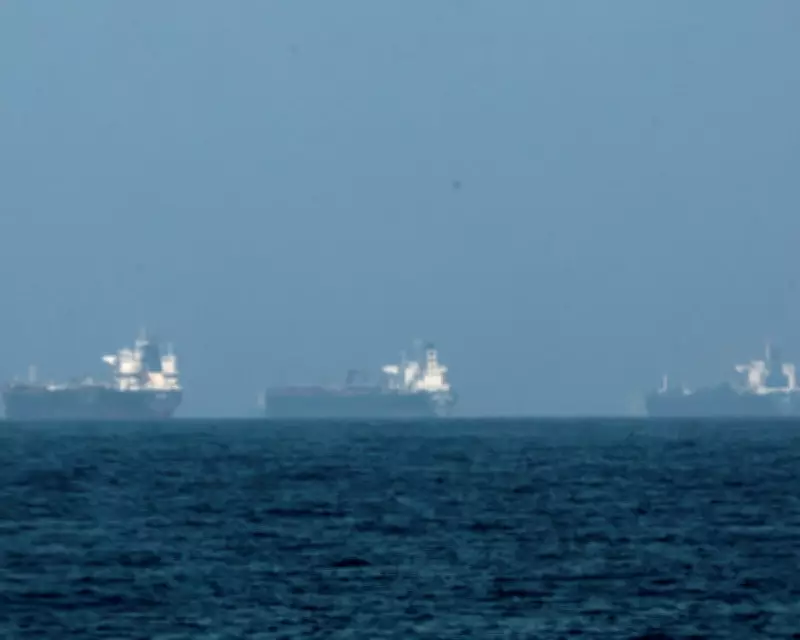
Thousands of seafarers are currently trapped on tankers in the Gulf, following the effective closure of the Strait of Hormuz due to escalating military threats from Iran. This critical maritime chokepoint, through which approximately one-fifth of the world's oil and liquefied natural gas passes, has seen shipping grind to a halt, stranding vessels and their crews in a volatile war zone.
Desperate Conditions on Stranded Tankers
A crew member from one of the stranded tankers, speaking to The Guardian, described the harrowing situation. "We're powerless ... and hoping nothing hits us," they said, recounting how explosions lit up the sky as they loaded crude oil. Initially ordered to stop loading, the crew later resumed, only to find themselves anchored off Dubai with no clear departure date. The seafarer, who has been on board for three months, highlighted the lack of communication and GPS, exacerbated by signal jamming from Iranian or American forces.
The psychological toll is mounting, with crews relying on limited internet access to contact families and monitor news. "My mother is freaking out," the seafarer added, noting that generic mental health hotline messages from tanker owners offer little solace. On board, activities like gym workouts, movie-watching, or evening fishing are conducted with minimal lights to avoid attracting attention, as military planes and explosions are audible and visible.

Global Economic Impact and Rising Tensions
The blockade has triggered a surge in oil and gas prices, threatening to destabilise the global economy by fuelling inflation. Marine traffic through the strait, typically around 100 tankers daily, has evaporated as insurance costs soar and cover is withdrawn. According to maritime data firm Lloyd's List, about 200 non-sanctioned tankers are stranded, along with hundreds of other vessels, leaving crews effectively hostage to circumstances.
Iran's Revolutionary Guards have vowed to "set ablaze" any western tanker attempting transit, following the outbreak of war on Saturday. This aggression has already led to at least six vessel attacks and two seafarer deaths, including a recent explosion near Kuwait. The situation underscores the high risks faced by civilian crews caught in geopolitical conflicts.
Union Calls for Action and Support
Stephen Cotton, general secretary of the International Transport Workers' Federation, emphasised the plight of seafarers, stating, "Seafarers are sometimes invisible ... but let's be clear: they are innocent civilians." The union is inundated with requests for repatriation, but logistical challenges make relief missions nearly impossible. David Appleton of Nautilus International warned of psychological stress, drawing parallels to the pandemic when crews were trapped for months.
Supplies on board, including food for about 60 days and desalination equipment for water, may require rationing if the crisis prolongs. However, the bigger issue remains the mental health of crews, with many recalling past traumas. "Who would be willing to take my place? You'd need to be really desperate for work," the seafarer questioned, expressing concern for the hundreds in similar situations.
As the global economy teeters on the edge, the human cost of this maritime standoff continues to rise, with seafarers pleading for recognition amidst the chaos.