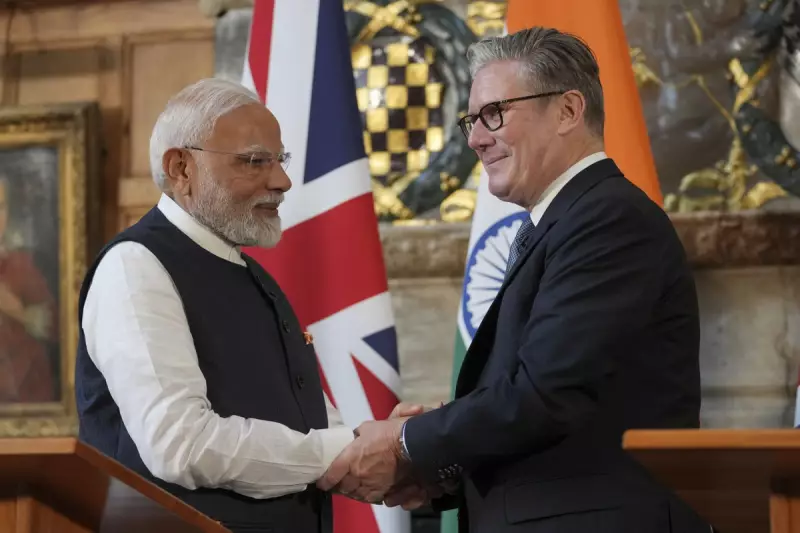
Labour leader Keir Starmer's recent push for a UK-India trade agreement has reignited discussions about Britain's post-Brexit economic strategy. The Opposition Leader's diplomatic overtures towards Prime Minister Narendra Modi's government come at a critical juncture for UK trade policy.
Starmer's Strategic Move
During his visit to India, Starmer positioned himself as a statesman-in-waiting, advocating for closer economic ties between the two nations. His approach marks a significant shift in Labour's post-Brexit trade policy, attempting to reconcile the party's previous EU alignment with new global opportunities.
The Brexit Context
The proposed deal raises important questions about Britain's trade priorities outside the European Union. While proponents argue it could offset Brexit losses, critics question whether such agreements can truly compensate for reduced access to European markets.

Key Challenges Ahead
- Navigating India's complex regulatory environment
- Addressing concerns about labour standards and environmental protections
- Balancing economic benefits with human rights considerations
- Overcoming political resistance from protectionist factions
Political analysts suggest Starmer's initiative serves dual purposes: demonstrating Labour's economic credibility while testing the waters for future government-to-government negotiations. The move comes as the Conservative government faces criticism for slow progress on post-Brexit trade agreements.
Diplomatic Tightrope
Starmer's engagement with Modi's government presents both opportunities and risks. While boosting trade could strengthen bilateral relations, it requires careful navigation of sensitive issues including human rights concerns and India's geopolitical positioning.
The success or failure of this initiative could significantly influence Britain's post-Brexit trade landscape and potentially reshape Labour's economic policy platform ahead of the next general election.