
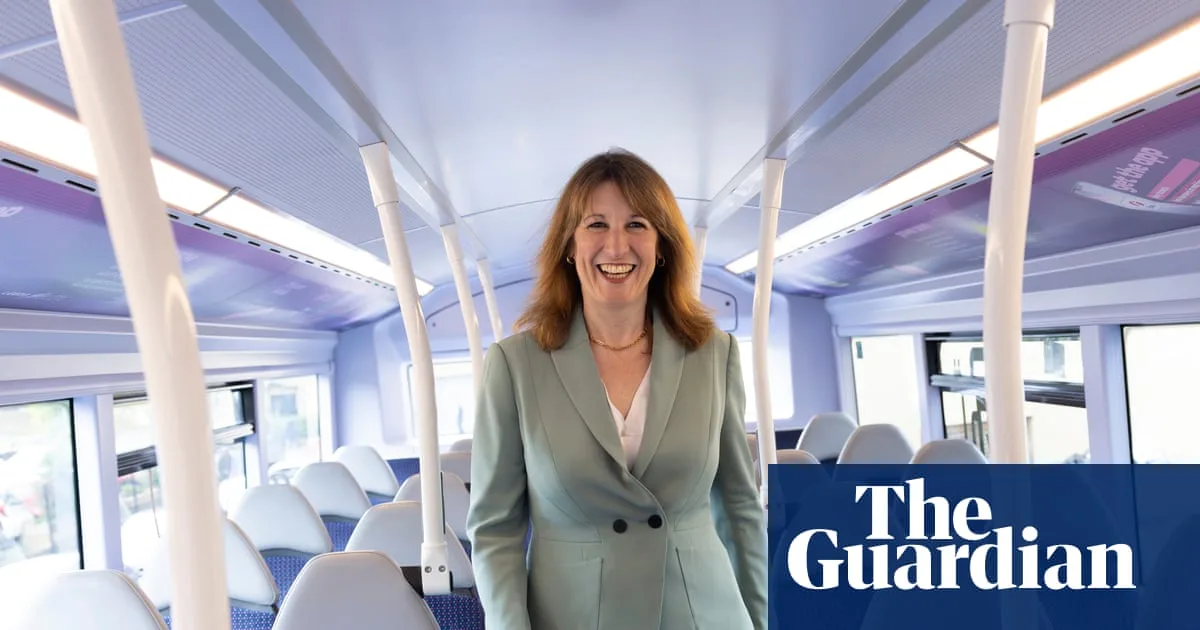
Chancellor Rachel Reeves will announce a package of measures on Thursday aimed at easing living costs, including free summer bus rides for children in England and tariffs cuts on certain food imports. The plans form part of what she is calling the 'Great British summer savings scheme'.
Children aged 15 and under in England will be able to travel on buses for free during August. Reeves said the scheme would help families enjoy the summer while the government protects households from rising costs. The move follows Prime Minister Keir Starmer's announcement that planned fuel duty increases will be postponed and lorry drivers will receive a 12-month vehicle tax holiday.
The chancellor will also remove tariffs on imports of biscuits, chocolates and dried fruits in an effort to reduce prices for consumers. A more ambitious plan to persuade supermarkets to offer set cheap prices for basic foods like eggs and milk was dropped after criticism from retailers, including Marks & Spencer boss Stuart Machin, who called the idea 'completely preposterous'.
The Resolution Foundation criticised the fuel duty decision, with principal economist Jonathan Marshall noting that the richest fifth of households would gain more than twice as much as the poorest fifth. The Treasury estimated the cost of the motorist package at about £400 million, with further funding details to be set out by Reeves on Thursday.




