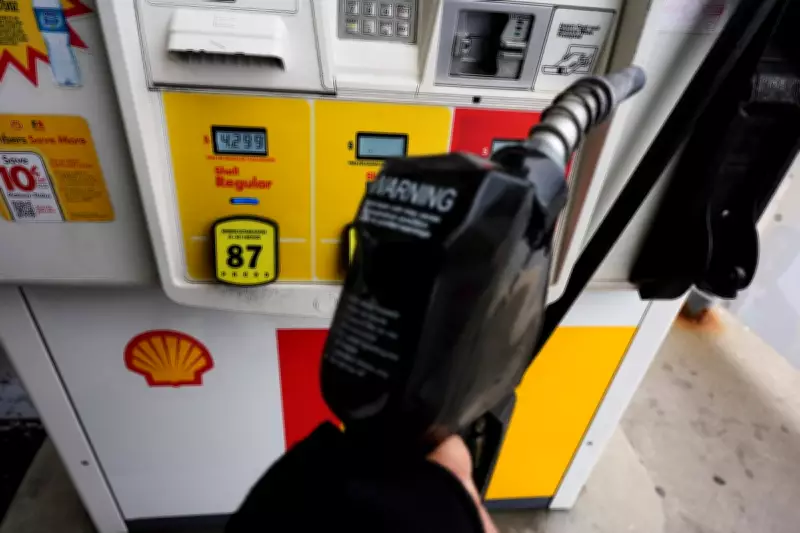
Oil prices surged past $125 a barrel early Thursday as stalled US-Iran talks raised doubts over the reopening of the Strait of Hormuz and a permanent end to the Iran war. Brent crude for June delivery jumped 6.2 per cent to $125.36, while July delivery rose 3.1 per cent to $113.85. Before the war began in late February, Brent was trading around $70 per barrel.
Market reaction to Iran conflict
The Iran war, now in its ninth week, shows no clear path to resolution. The US continues its blockade of Iranian ports while the Strait of Hormuz remains closed, pushing oil prices higher. US West Texas Intermediate futures for June were up $2.42, or 2.3 per cent, at $109.30 a barrel, after climbing 7 per cent in the previous session. Both benchmarks are on track for their fourth month of gains.
US military options considered
President Donald Trump is scheduled to receive a briefing on Thursday on plans for a series of military strikes on Iran, according to an Axios report. The aim is to force Iran back to negotiations on its nuclear programme. The US and Israel began air strikes on Iran on 28 February, and Iran retaliated by closing off almost all shipping through the Strait of Hormuz, a critical chokepoint for energy supplies from Middle Eastern producers.

Amid a ceasefire that has paused active combat, the US has imposed a blockade on Iranian ports. Talks to resolve the conflict, which has killed thousands and caused what analysts describe as the world's biggest energy disruption ever, have deadlocked. The US insists on discussing Iran's alleged nuclear weapons programme, while Iran demands control over the strait and reparations for war damage.
Supply disruption and Opec+ response
"The oil market has moved from over-optimism to the reality of the supply disruption we are seeing in the Persian Gulf," said ING analysts in a note. In a sign the conflict and resulting energy supply disruptions are set to continue, Trump spoke with oil companies on Wednesday about mitigating the impact of a possible months-long US blockade, a White House official said.
"Prospects for any near-term resolution to the Iran conflict or a reopening of the Strait of Hormuz remain dim," said IG market analyst Tony Sycamore. The Opec+ grouping is likely to agree a small increase of around 188,000 barrels per day in oil output quotas on Sunday, sources told Reuters. The meeting comes after the United Arab Emirates' withdrawal from Opec, effective 1 May, which is expected to weaken the producer group's ability to control prices.
Although the UAE's exit would allow it to raise production after exports restart, analysts say that is unlikely to affect market fundamentals this year, especially with the Hormuz closure and other war-related disruptions. "Gulf countries, including the UAE, will take months to return to pre-war production volumes," Wood Mackenzie analysts said in a note.