Kenya's Flower Industry Faces Severe Financial Crisis Amid Middle East Conflict
The ongoing conflict in Iran has triggered a severe financial crisis within Kenya's vital flower industry, with growers reporting staggering weekly losses of up to $1.4 million. This devastating economic impact stems from a dangerous combination of reduced international demand and severe disruptions to global shipping routes, creating what industry leaders describe as the most challenging period in a decade.
Mounting Losses and Operational Challenges
The Kenya Flower Council, the primary private sector organization representing the nation's flower growers and exporters, revealed on Tuesday that the sector has already suffered losses exceeding $4.2 million over just three weeks of conflict. Clement Tulezi, Chief Executive Officer of the Kenya Flower Council, provided alarming details about the operational challenges facing exporters.
"We are witnessing significant reductions in product movement, substantial shipping delays, and the necessity to use much longer alternative routes," Tulezi explained to The Associated Press. "Meanwhile, pricing has reached unprecedented levels. Last week alone, we saw rates of $5.80 per kilogram, representing the highest freight costs we've encountered in the last ten years."

Critical Industry Under Threat
Kenya's horticulture sector represents one of the country's most important economic pillars, generating over $800 million annually according to Central Bank of Kenya figures. The flower industry specifically employs approximately half a million Kenyans directly, making the current crisis a significant threat to national employment and economic stability.
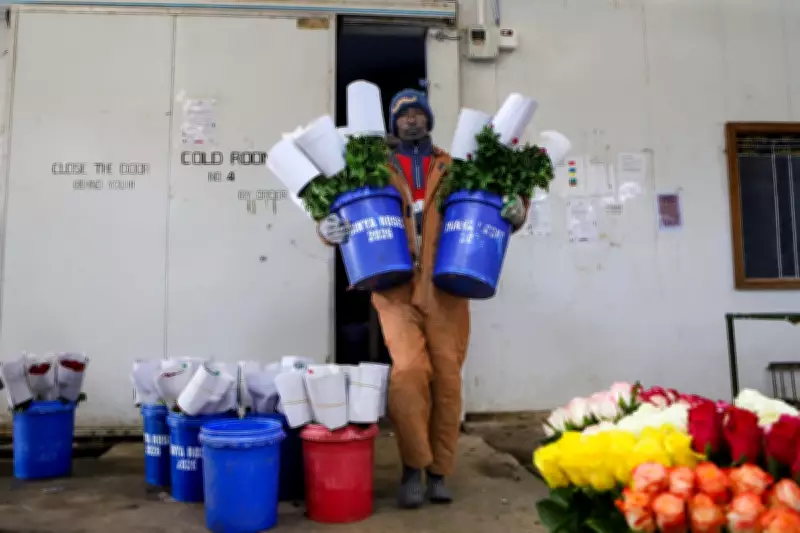
At Isinya Flower Farms, located 56 kilometers south of Nairobi, the impact has been particularly devastating. Marketing Manager Anantha Kumar reported that daily exports have plummeted by more than half compared to pre-conflict levels.
"Previously, we maintained a robust export volume of 450,000 flower stems daily," Kumar told The Associated Press. "Currently, we are struggling to export between 150,000 and 200,000 stems per day. This dramatic reduction means we are being forced to discard nearly 50% of our production capacity."
Disrupted Export Markets and Soaring Costs
While Europe remains Kenya's dominant flower export market, accounting for approximately 70% of national exports, the Middle East conflict has created ripple effects that disrupt shipments to all destinations. Although direct exports to Middle Eastern countries typically represent about 30% of business for operations like Isinya Flower Farms and up to 15% nationally, the shipping disruptions have created bottlenecks affecting European-bound cargo as well.
Kumar elaborated on the logistical nightmare facing exporters: "Current freight rates have become prohibitively expensive for many customers, who simply cannot afford to purchase at these elevated prices. Beyond the cost issue, securing available freight has become exceptionally difficult. Most Middle Eastern carriers have suspended operations, while the remaining European carriers are charging approximately $5 per kilogram—double the normal rate."
Industry Warnings and Potential Solutions
Growers across Kenya now warn that continued conflict could push the sector into a downward spiral reminiscent of the COVID-19 pandemic's devastating impact. Industry experts caution that without immediate intervention, significant job losses appear inevitable within this critical employment sector.
In response to the escalating crisis, the Kenya Flower Council has initiated lobbying efforts aimed at convincing the Kenyan government to establish direct cargo flights to Europe. This strategic move would help maintain access to Kenya's most important flower market while providing much-needed financial cushioning for struggling growers during this period of unprecedented challenge.