

In a decisive move that breaks a political deadlock, Italy has thrown its weight behind the European Union's long-stalled free trade agreement with the Mercosur bloc of South American nations. This pivotal endorsement, confirmed on Friday, 9 January 2026, brings the vast deal a critical step closer to reality after more than a quarter-century of negotiations.
Meloni's Green Light After Farmer Protections Secured
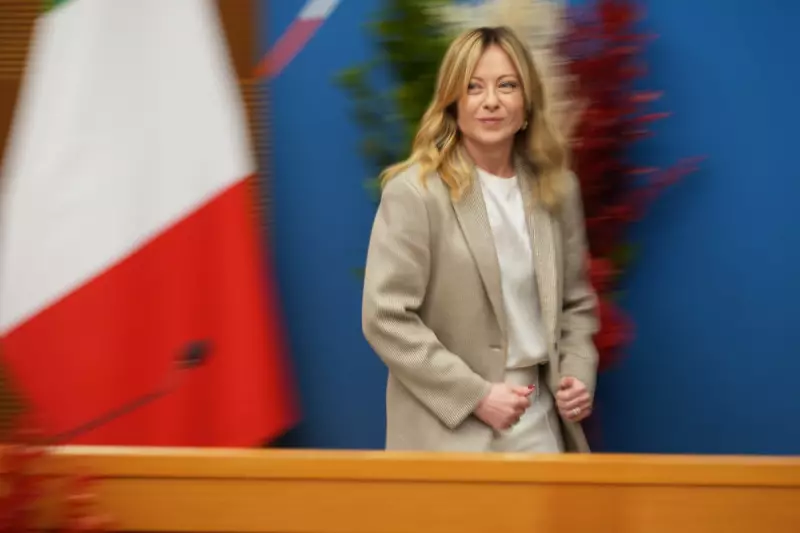
Italian Prime Minister Giorgia Meloni, whose vote was seen as essential for European Commission President Ursula von der Leyen's campaign to rally support, announced her government's backing at a press conference. Meloni stated she never held "any ideological objections" to the pact with Brazil, Argentina, Bolivia, Paraguay, and Uruguay. Her support, however, was conditional. "We have always said we will be in favor of it when there are sufficient guarantees for our farmers," she explained, emphasising that the deal's potential must not come "at the expense of the excellence of our products."
Foreign Minister Antonio Tajani hailed the decision as "good news for Italy," posting on X that the agreement is destined to boost national exports with a goal of reaching €700 billion. He confirmed that Italy secured vital protections for its agricultural sector, particularly regarding production standards.

A Diplomatic Win Amidst Global Economic Turmoil
The agreement promises to create one of the world's largest free trade zones, encompassing roughly 780 million people and a quarter of global GDP. For Brussels, sealing the deal represents a significant diplomatic achievement. It offers a stark contrast to what the source material describes as the "gunboat diplomacy of Washington and the coercive export controls of Beijing" during a period of global economic upheaval.
This breakthrough follows a tense delay in December that had infuriated Brazilian President Luiz Inácio Lula da Silva and raised fears about the EU's credibility. With Italy's support, von der Leyen could now potentially sign the deal next week during a meeting in Paraguay, before it goes to the European Parliament for a final vote.
Opposition and Concessions: The Road to Agreement
The path to this point was fraught with opposition, led primarily by France, Poland, Austria, Hungary, and Ireland. Farmers' protests, featuring tractor blockades from Brussels to Athens, underscored the deep domestic concerns over being undercut by cheaper imports.
Irish Taoiseach Micheál Martin, speaking in Shanghai, expressed a lack of confidence that Irish farmers wouldn't be disadvantaged. However, the political pressure led to internal EU reforms. French President Emmanuel Macron outlined three key concessions now included:
- A strengthened "emergency brake" on imports if they undercut EU prices by 5% or more.
- The mirroring of EU food safety standards within the Mercosur bloc.
- Increased inspections of agrifood imports at EU ports.
Despite these safeguards, Macron's office downplayed the economic benefits, estimating the deal would add only €77 billion to the EU's GDP by 2040—a mere half a percent. Furthermore, Green MEPs have vowed legal action, arguing the pact will accelerate Amazon deforestation and undermine the EU's climate goals.
Italy's decisive shift has therefore not only unlocked a historic trade agreement but also highlighted the fragile balance between ambitious international trade policy and the protection of vital European economic interests.






