
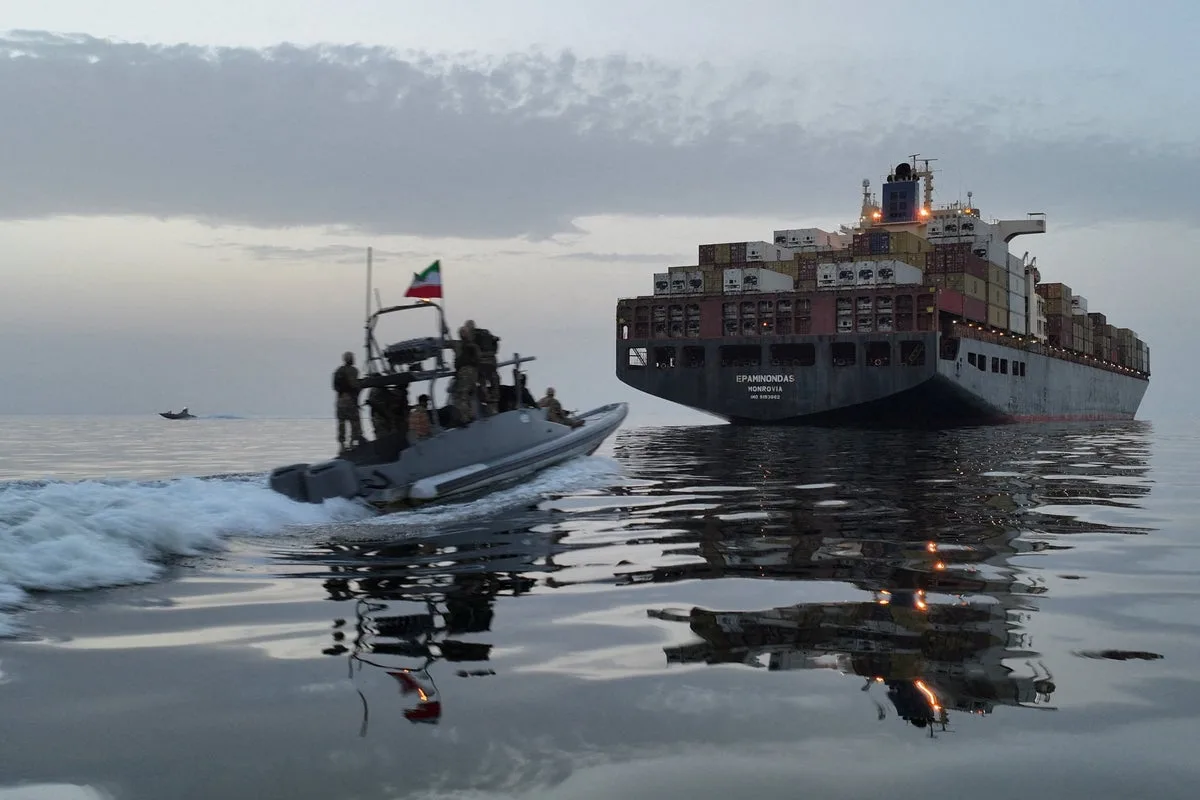
Shipping traffic through the Strait of Hormuz is showing early signs of recovery, with 19 vessels crossing on Saturday after days of disruption. However, analysts caution that the increase in vessel numbers has not yet translated into a real surge in oil and gas flows through the crucial waterway.
The strait, which once carried a fifth of the world's oil and gas, has been effectively closed since the US-Israeli war with Iran began on 28 February. At its lowest point, just three ships crossed per day, according to maritime intelligence firm Windward. Saturday's figure marks a 'sharp rebound,' although it remains a fraction of the 129 daily transits recorded before the conflict.
Isaac Levi, oil analyst at the Centre for Research on Energy and Clean Air (CREA), told The Independent: 'While there are reports of increased vessel crossings in the Strait of Hormuz, CREA's analysis of Kpler data shows there is no real surge in oil and gas shipments, and flows appear to be remaining at a steady, measured pace.' For the first time in weeks, vessels broadcast their location openly rather than concealing their movements.
Across the broader Gulf, the total number of vessels rose by 126 in a single day to 892, pointing to a gradual rebuilding of maritime activity. At Iran's main oil export terminal on Kharg Island, satellite imagery from Sunday showed two large tankers loading crude while at least eight more waited at anchor, suggesting Iranian exports are moving slowly and under strain.
Windward's assessment stops short of declaring a recovery, describing the operating environment as one of partial traffic recovery, active enforcement, persistent sanctions pressure, and continuing adaptation by high-risk maritime networks. A full return to normal traffic will also require clearing naval mines Iran has deposited near the strait's sea lanes.
The war is now in its ninth week, with a ceasefire pausing most fighting but no agreement on ending the conflict. Iran is offering to end its chokehold on the strait without addressing its nuclear programme, but US President Donald Trump insists on dealing with Tehran's atomic programme as part of any overall deal. Talks expected in Islamabad were cancelled after Iranian Foreign Minister Abbas Araghchi left the Pakistani capital.




