Strait of Hormuz Shipping Crisis: Ceasefire Hopes Amid Lingering Energy Woes
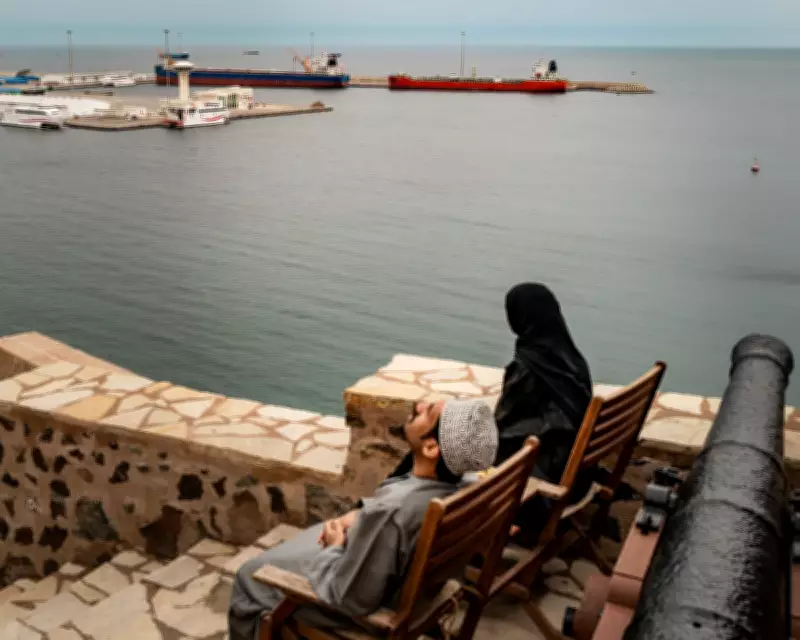
Two bulk carriers remain anchored off Muscat in Oman, south of the Strait of Hormuz, a critical waterway shut by Iran after a conflict erupted in February. This blockade has trapped an estimated 2,000 vessels, including oil tankers and cargo ships, with about 20,000 seafarers onboard, according to UN reports. The situation highlights a deepening global energy crisis, as analysts express doubts over whether a recent US-Israeli ceasefire with Iran can restore normalcy to shipping and oil markets.
Ceasefire Fragility and Shipping Gridlock
The ceasefire, announced after 40 days of conflict, offers a glimmer of hope for reopening the strait, but it appears shaky. Iran has argued that Israeli attacks on Lebanon breach the agreement, and state media claims the waterway has been closed again. Even if the detente holds, allowing hundreds of stranded tankers to transit, experts fear it will not suffice to return oil, gas, and chemical flows to pre-crisis levels. In the hours after the ceasefire, there was no immediate surge in vessel traffic; only a trickle of ships has passed through in recent weeks, a stark contrast to the average of 140 daily before the war.
Shipping analysts caution that the ceasefire lacks sufficient safety guarantees, especially as Iran's foreign minister has stated transit will be under Iranian military management. Many shipowners and captains remain uncertain about safety, with Iran implementing a traffic control system that requires sharing detailed information on ownership, cargo, and voyages. This process, described as "fairly unsophisticated," involves Iranian officials using binoculars from Larak Island to verify ship names and grant approval, rerouting vessels to a congested northerly corridor near Iran's coastline.

Economic and Logistical Challenges
A successful ceasefire could enable Iran and Oman to charge fees of up to $2 million per ship to pass through the strait, dubbed "Tehran's tollbooth" by analysts at Lloyd's List. This toll would allow Iran to maintain control, but it is unclear if all shipowners will comply. Fully loaded vessels are expected to depart first, while empty ships may hesitate to enter for reloading. Analysts predict confidence will grow once a large European-owned ship safely crosses, but they warn that restoring full maritime activity could take time, similar to the slow return to the Red Sea after Houthi rebel threats subsided.
Impact on Global Energy Supplies
The disruption has exacerbated a severe energy crisis, with the International Energy Agency noting it surpasses combined flashpoints from 1973, 1979, and 2022. Energy markets initially fell on ceasefire hopes, but the crisis is compounded by forced shutdowns of Gulf oil and gas production as storage reached capacity. Drone attacks have damaged key sites, such as Qatar's liquefied natural gas facilities, reducing capacity by 17% and potentially requiring three to five years for repairs. Wood Mackenzie analysts suggest that if Qatar restarts undamaged capacity next month, it might not fully return until August, but this depends on ceasefire stability.
Refineries in the Gulf, which supply over half of Europe's jet fuel, have also been damaged, with repairs expected to take months. Willie Walsh of Iata warns that even with an open strait, it could take months to restore supply chains due to refining disruptions. Oil and gas prices, while down from peaks, remain above pre-crisis levels, with traders pricing in a "geopolitical risk premium" due to ceasefire uncertainty. Analysts like Tamas Varga of PVM Oil predict a return to sub-$70 oil prices is improbable in the next year or two.

Long-Term Implications and Future Outlook
The crisis may have lasting effects on global energy dynamics. Countries, particularly in Asia, are likely to diversify energy sources away from the Gulf to reduce reliance on a single region. This shift could favour producers in the Americas and spur interest in nuclear and renewable energy, aligning with greener industrial and transport initiatives. However, for those still dependent on Gulf imports, higher costs from transit fees and risk premiums may persist. Ultimately, the Strait of Hormuz blockade underscores vulnerabilities in global trade, with a full recovery to normal shipping and energy exports potentially taking years or never fully materialising as nations rethink their energy strategies.