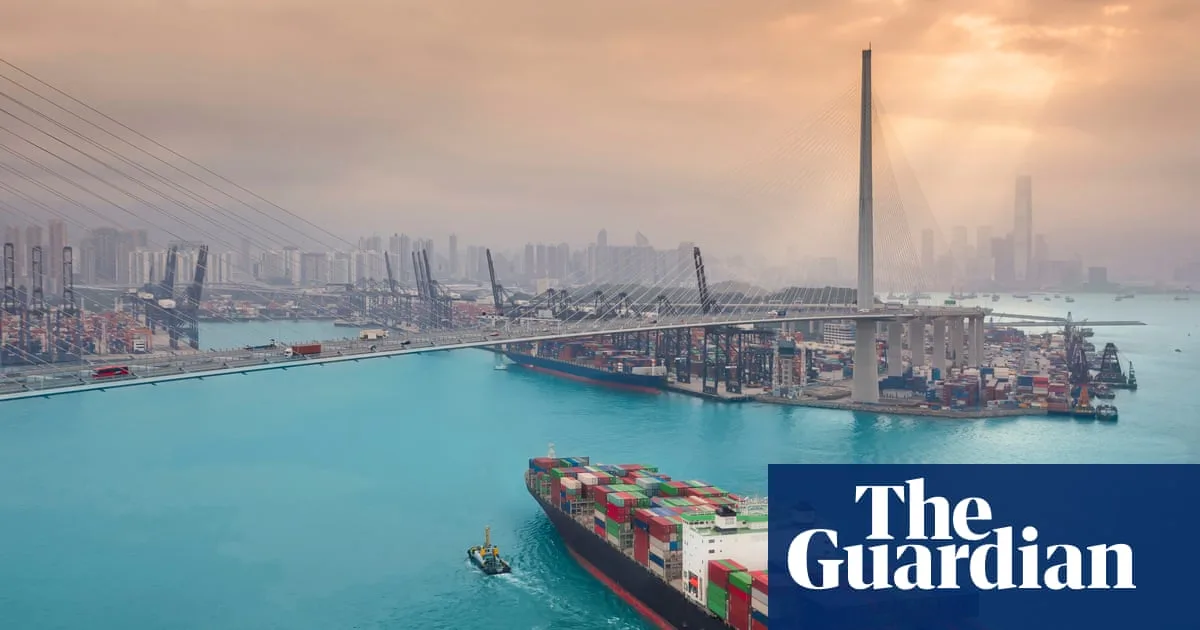
Maritime Nations Preserve Global Shipping Carbon Fee Plan, Postpone Vote
Global Shipping Carbon Fee Plan Preserved, Vote Postponed

The world's maritime nations have preserved a plan to adopt the first global carbon fee on shipping emissions, agreeing to continue negotiations in the fall after adjourning their meeting on Friday. However, they also opened the door to alternative proposals that could substantially alter the framework.

Deliberations Continue at IMO Headquarters

Delegates met this week at the International Maritime Organization (IMO) headquarters in London to prepare for a potential vote on new global regulations to clean up shipping, known as the 'Net-zero Framework.' Instead of finalizing discussions, they scheduled additional meetings for the fall, keeping the framework as a foundation for negotiations. A number of countries submitted alternative proposals and suggested changes, insisting these remain on the table for inclusive, constructive talks.

Meeting chairman Harry Conway of Liberia assured delegates on Friday that these options could still be considered at forthcoming meetings, and new documents could be submitted. The work plan was modified to make that explicit.

Wide Pickt banner — collaborative shopping lists app for Telegram, phone mockup with grocery list

Concerns Over Delays

Australia and others expressed concerns that continuing to discuss alternatives would set back progress, given the urgent impacts of climate change and the shipping industry's need for certainty to invest in green technologies. As the meeting closed, IMO Secretary-General Arsenio Dominguez said 'we kind of are back on track,' urging delegates to rebuild trust and continue dialogue.

Em Fenton of Opportunity Green noted that the framework survived with majority support, but 'survival is not a victory and we cannot end up in a cycle of open-ended negotiations.' She stressed the need to maintain urgency and ambition, delivering justice and equity for countries on the front lines of climate impacts.

Proposed Pricing Mechanism

The regulations would establish a pricing system imposing fees for every ton of greenhouse gases emitted by ships above allowable limits, effectively creating the first global tax on greenhouse gas emissions. The United States and Saudi Arabia are among those strongly opposing a fee.

Nations agreed on the Net-zero Framework last year. Delegates met in October to adopt it, a step widely expected to be a formality, but the U.S., backed by trade threats from President Donald Trump and support from Saudi Arabia, derailed the meeting, postponing the decision by a year.

Shipping Emissions and Alternatives

Most ships today run on heavy fuel oil, releasing carbon dioxide and other pollutants. Shipping emissions have grown over the past decade to about 3% of the global total as trade expanded. There is significant interest in ammonia as an alternative fuel because it contains no carbon.

The framework would set a marine fuel standard that decreases over time the amount of greenhouse gas emissions allowed from shipping fuels. The pricing mechanism would collect fees into an IMO fund to invest in green technologies, reward low-emission ships, and support developing countries in transitioning away from dirty fuels and old ships.

Industry and Environmental Reactions

Mark Brownstein of the Environmental Defense Fund said the regulations would put the global shipping industry on more sustainable footing, both environmentally and economically. The IMO set a target for net-zero greenhouse gas emissions by about 2050, committing to wider use of zero or near-zero emission fuels. Large ships last about 25 years, necessitating immediate changes and investments.

The International Chamber of Shipping, representing over 80% of the world's merchant fleet, has advocated for adoption of the regulations.

Pickt after-article banner — collaborative shopping lists app with family illustration




