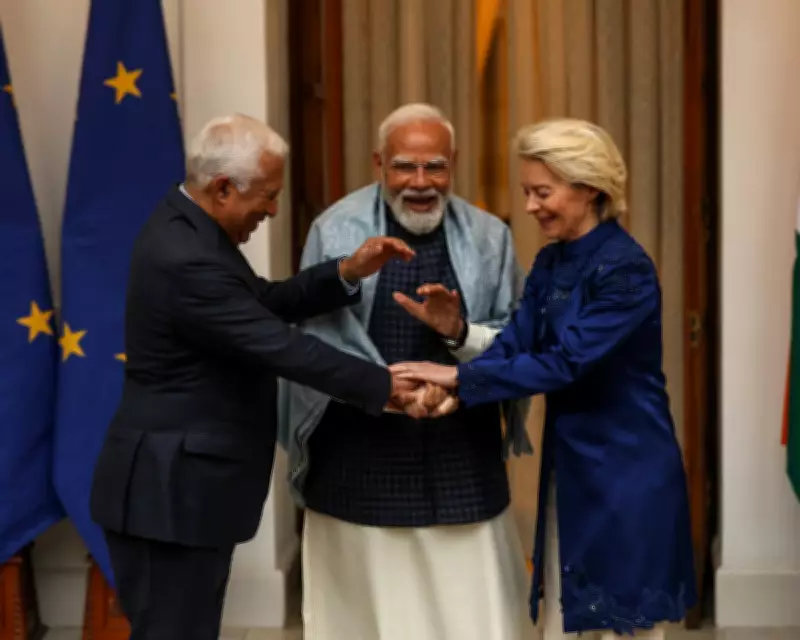
In a significant departure from the confrontational tactics that have characterised recent global trade relations, the European Union is charting a new course. This strategic pivot emphasises trade without threats, positioning the bloc as a stabilising force in an increasingly volatile international landscape.
A Diplomatic Response to Global Instability
The EU's approach emerges as a direct counter to the aggressive, unilateral trade policies often associated with figures like former US President Donald Trump. By prioritising dialogue and mutual benefit over coercion, the bloc aims to foster a more predictable and cooperative economic environment. This shift is not merely rhetorical; it reflects a deeper recalibration of how the EU engages with partners worldwide, from major economies to developing nations.
Building Bridges Through Economic Partnerships
Central to this strategy is the reinforcement of existing trade agreements and the pursuit of new ones grounded in shared values and sustainability. The EU is leveraging its economic clout to promote standards on labour rights, environmental protection, and digital governance. This model contrasts sharply with transactional deals that prioritise short-term gains over long-term stability, offering a blueprint for how trade can drive positive change beyond mere profit.

Experts suggest that this cooperative stance could enhance the EU's influence, particularly as geopolitical tensions rise. By avoiding the pitfalls of protectionism and trade wars, the bloc seeks to insulate its economy from external shocks while championing a rules-based international order. This approach has garnered attention from policymakers who view it as a pragmatic alternative to the zero-sum politics that have disrupted global markets in recent years.
Challenges and Opportunities Ahead
Implementing this vision is not without hurdles. The EU must navigate internal divisions among member states with varying economic interests, as well as external pressures from competitors who may not share its commitment to cooperative trade. However, proponents argue that the long-term benefits—such as strengthened alliances and reduced conflict—outweigh these challenges.
As the world grapples with issues like climate change and digital transformation, the EU's emphasis on trade as a tool for collaboration could set a precedent. This strategy underscores a broader recognition that economic interdependence, when managed thoughtfully, can be a force for peace and prosperity rather than a source of friction.
In summary, the EU's move towards trade without threats represents a bold reimagining of its role on the global stage. By championing diplomacy over discord, the bloc is not only responding to immediate political figures like Trump but also shaping a more resilient and cooperative future for international trade.