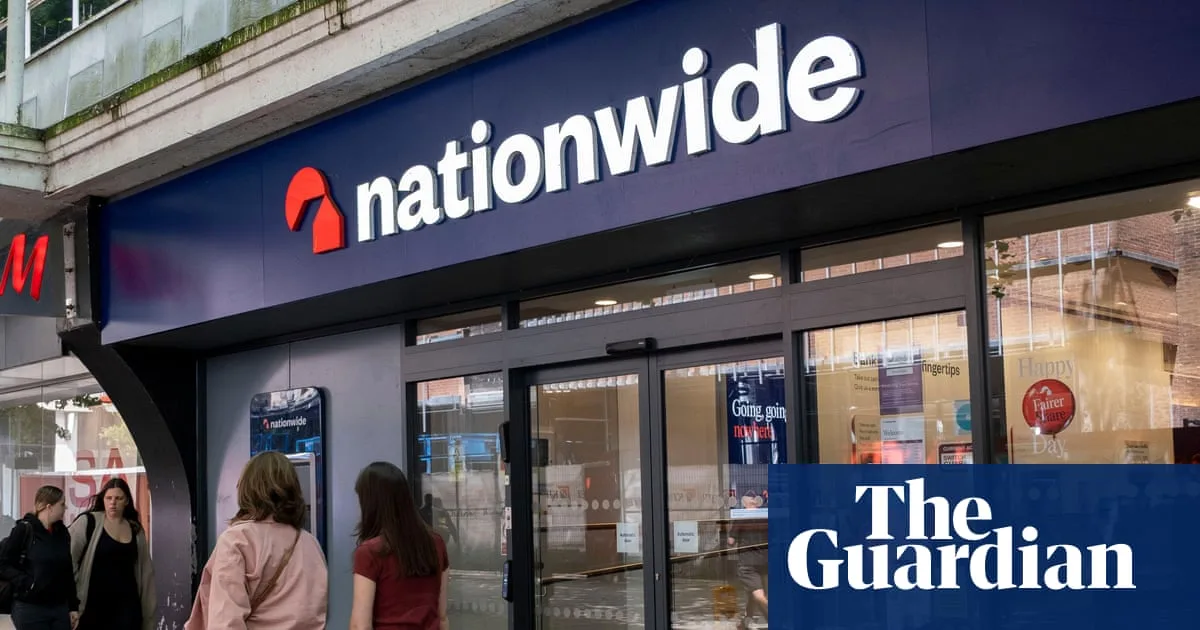
Nationwide Board Challenge Could Revive UK Corporate Democracy Debate
Nationwide Board Challenge Revives Corporate Democracy Debate

In July 2016, Theresa May stood in a canalside conference centre in Birmingham to launch her Tory leadership bid, pledging radical corporate reform. She promised to give workers and consumers seats on company boards, echoing anti-establishment rhetoric. However, powerful business groups quickly scuppered her plans, leading to only meagre changes.

Customer Boardroom Challenge at Nationwide

Now, a decade later, Nationwide building society faces a customer boardroom challenge that could revive the debate over corporate democracy. On 15 July, James Sherwin-Smith, a 45-year-old member, will stand for election to the board at the annual general meeting (AGM). Building societies legally allow members to nominate peers for board seats, but it is rare and difficult.

Sherwin-Smith spent nearly two years gathering over 250 peer nominations, hampered by data rules that withheld member details. Qualifying signatures required balances or loans above £100 or £200 over two years. He described the process as unexpectedly hard.

Wide Pickt banner — collaborative shopping lists app for Telegram, phone mockup with grocery list

Rarity of Member-Nominated Directors

According to the Building Societies Association (BSA), no member-nominated directors currently sit on any of the UK's 42 building society boards. Only three member-supported candidates have been elected to Nationwide's board in living memory, the last being Paul Twyman, who retired in 2002.

This means Nationwide faces fewer intrusive questions from members compared to listed banks like Barclays, Lloyds, and NatWest, which must answer to shareholders. Nationwide engages members through a 6,500-member talkback panel, but critics say this is more market research than genuine accountability.

Concerns Over Governance and Demutualisation

Andrew Johnston, professor of corporate governance at Warwick University, said managers of mutuals are insulated from outside pressure, risking groupthink. He suspects Nationwide does not want Sherwin-Smith on the board because he would ask awkward questions.

Gareth Thomas, chair of the all-party parliamentary group for mutuals, warned against giving unseasoned members board seats, fearing they might push for demutualisation and profit from payoffs. BSA chief executive Sara Harrison agreed that lenders must be cautious, noting that board members need skills and experience beyond mere membership.

Sherwin-Smith, a former Oliver Wyman consultant, opposes demutualisation and criticised Nationwide for not holding member votes on the £2.9bn Virgin Money takeover or a 43% pay rise for CEO Debbie Crosbie. He believes rapid growth has compromised democratic roots.

Election Process and Potential Hurdles

Nationwide confirmed Sherwin-Smith needs a simple majority to be elected but did not clarify if he must unseat an existing director. The board may decide whether to recommend his election; a refusal could hinder his chances, as members have a one-click option to back all board recommendations. Monica Franco-Santos of Cranfield School of Management said this could sway votes, making ratification the default.

Nationwide defended the quick vote model, used for over 20 years, saying most members value its convenience. The mutual emphasised strong membership involvement, with every director elected annually and duty-bound to act in members' interests.

Pickt after-article banner — collaborative shopping lists app with family illustration




