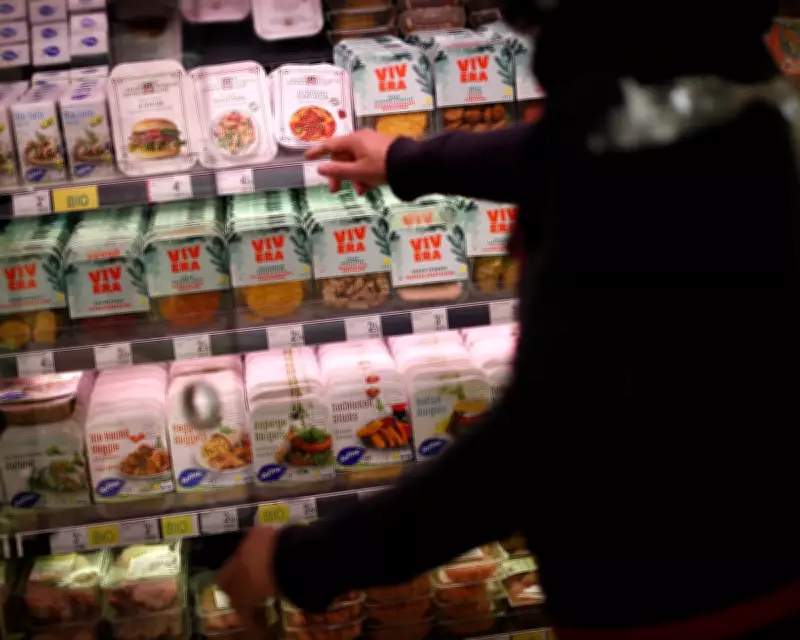
European Union lawmakers have finalised a controversial agreement to restrict the use of meat-related terminology for vegetarian and vegan food products. The new rules will outlaw 31 specific names, including bacon, beef, chicken, drumstick, loin, ribs, steak, T-bone, and wing, when applied to plant-based alternatives.
Compromise Reached After Contentious Negotiations
Negotiators from the European Parliament and the EU Council of Ministers reached this compromise on Thursday, following extensive discussions about food labelling regulations. The agreement represents a partial victory for livestock farmers, who have long argued that meat names on vegetarian products create unfair competition and confuse consumers.
What Names Are Banned and What Survives
While the new rules will prohibit numerous meat-related descriptors, they notably spare two common terms: "veggie burgers" and "meat-free sausages" will remain permissible. This represents a significant retreat from earlier, more sweeping proposals that would have banned even these familiar terms.

French centre-right MEP Céline Imart, who devised the amendment to ban meaty names, celebrated the outcome as "an undeniable success for our livestock farmers." Imart, who is also a cereal farmer, stated that the agreement "recognises the value of livestock farmers' work and protects their products, fruits of unique know-how, against a form of unfair competition."
Critics Decry Unnecessary Complexity
Despite the compromise, numerous critics have emerged to challenge the new regulations. Dutch Green MEP Anna Strolenberg, who participated in negotiations, expressed disappointment that the agreement didn't do more to strengthen farmers' bargaining power while simultaneously creating unnecessary obstacles for food innovators.
"Fortunately, the conservative word police has failed to ban the veggie burger," Strolenberg remarked. "Unfortunately, a number of other words still end up on the blacklist. That's a shame; Europe should be backing innovative entrepreneurs, not putting new obstacles in their way."
Consumer Advocates Voice Concerns
The European Consumer Organisation (BEUC) joined the chorus of critics, describing the banning of some names as regrettable. BEUC Director General Agustín Reyna argued that "consumers want to eat healthier and need convenient and affordable options. These names make it easy for those who want to integrate these options in their diets, and the new rules will increase confusion and are simply not necessary."
Broader Agricultural Context
The naming rules form part of a broader regulatory effort aimed at strengthening farmers' positions within food supply markets. Maria Panayiotou, the agriculture minister for Cyprus, which currently holds the EU's rotating presidency, emphasised that "by improving support for farmers and enhancing the role of producer organisations, we are giving farmers additional tools to secure a more predictable and sustainable future."
The agreement must still clear several procedural hurdles, though these are typically formalities. However, the possibility of last-minute negotiations remains open as the regulation moves toward final implementation.