UK Customs Relief for Low-Value Imports Faces Potential End, Threatening Price Hikes
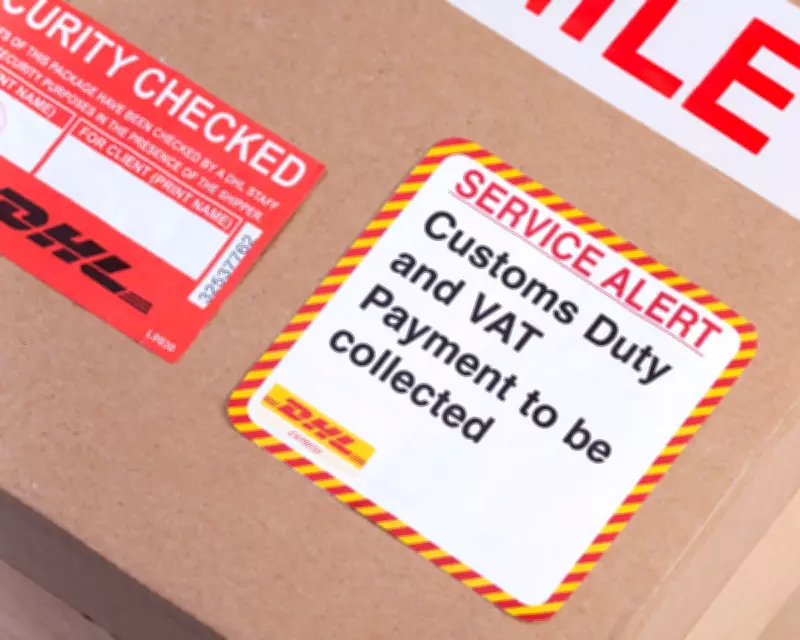
The British Chambers of Commerce (BCC) has issued a stark warning that the possible termination of the de minimis exemption for low-value imports in the United Kingdom could result in significant price increases for consumers. This customs relief, which currently allows goods below a certain value threshold to enter the country without tariffs or extensive paperwork, is under review by policymakers. The BCC argues that its removal would impose additional costs and administrative burdens on businesses, particularly small and medium-sized enterprises (SMEs), which may be passed on to shoppers.
Impact on Businesses and Consumers
If the de minimis exemption is abolished, importers of low-value items, such as clothing, electronics, and household goods, would be required to pay tariffs and navigate complex customs procedures. This change could lead to delays in supply chains and higher operational expenses. The BCC highlights that many UK businesses rely on this relief to keep prices competitive and maintain efficient trade flows. Without it, they may face increased costs that could reduce profit margins or force them to raise prices, affecting affordability for consumers.
Broader Economic Implications
The potential end of this customs relief comes amid ongoing discussions about post-Brexit trade policies and regulatory adjustments. The BCC emphasizes that maintaining the de minimis exemption is crucial for supporting economic growth and fostering international trade. They caution that stricter customs rules could deter cross-border commerce and hinder the UK's ability to attract global business. As debates continue, stakeholders are urging the government to consider the broader economic consequences before making any changes to the current system.