Organisers have announced the postponement of Cuba's prestigious annual cigar fair, originally scheduled for the final week of February, as the island nation grapples with crippling fuel shortages and widespread blackouts resulting from a stringent United States oil embargo.
Event Postponed Amid Energy Crisis
In an official statement released on Saturday, Habanos S.A., the event's organiser, confirmed the delay of the iconic Habanos Festival. The company cited the necessity to "preserve its high standard of quality" as the primary reason for this decision, though a new date for the 26th edition of the fair was not provided.
Monopoly on Cuban Cigar Sales
Habanos S.A., a joint venture between the state-owned Cubatabaco and the international firm Altadis, holds the global monopoly on sales of authentic Cuban cigars. The annual festival serves as a crucial gathering for cigar aficionados and distributors worldwide, featuring tours of tobacco plantations, exclusive auctions, and demonstrations of expert craftsmanship.

Last year's event concluded with a remarkable auction where a single batch of highly coveted, hand-rolled cigars fetched an astonishing $18 million. The company also reported record sales totalling $827 million in the same period, underscoring the festival's significant economic importance.
Broader Impact on Cuban Culture and Economy
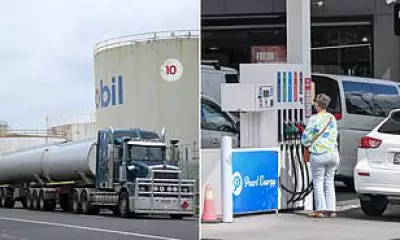
The cigar fair is not an isolated casualty. Several other cultural events, including a prominent book fair, have been postponed this month as Cuba confronts its most severe energy crisis in years. The fuel shortages have severely impacted the tourism sector, with some agencies cancelling trips and the government shutting down certain hotels to conserve electricity.
Root Causes: US Embargo and Oil Supply Cuts
The crisis stems from a multifaceted oil supply blockade. In late January, US President Donald Trump threatened to impose tariffs on any country selling oil to Cuba, intensifying pressure on the island's communist leadership to enact political and economic reforms.
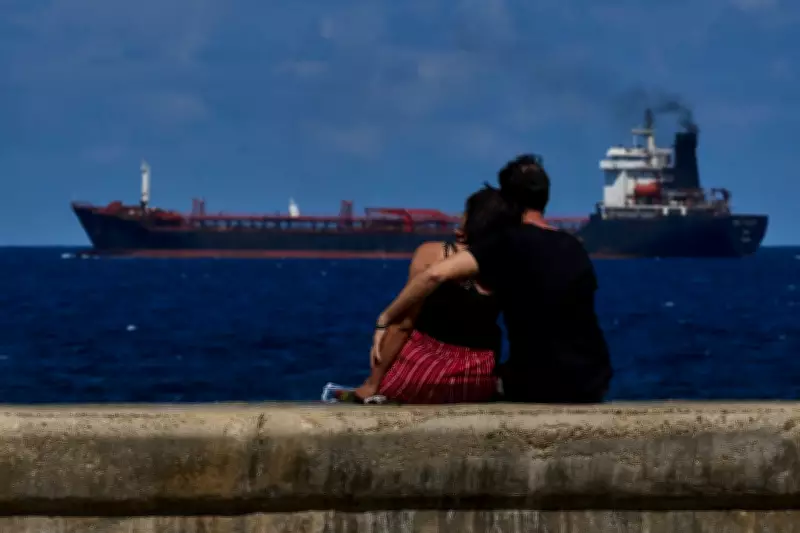
Cuba, which imports approximately 60% of its energy supply, historically relied on Venezuela and Mexico for the bulk of its oil. However, shipments from Venezuela were cancelled in January following the removal of then-president Nicolas Maduro in a US military raid, which also increased US oversight over Venezuela's oil industry. Subsequently, shipments from Mexico ceased in mid-February in response to Trump's tariff threats.
Transportation and Logistical Fallout
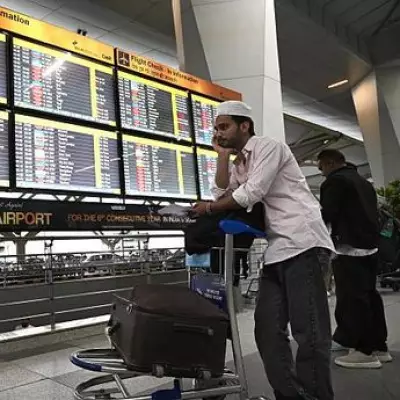
The fuel crisis has extended to air travel. Earlier this week, three Canadian airlines cancelled flights to Cuba after the government announced a lack of jet fuel for refuelling at Cuban airports. Other airlines have maintained services but now require stopovers in the Dominican Republic for refuelling.
Official Response from Tobacco Industry
Tabacuba, a state-run tobacco company, expressed regret over the postponement in a separate statement. It attributed the decision to "the complex economic situation that the nation is facing, as a result of the intensification of the economic, commercial and financial blockade" imposed by the United States, highlighting the broader geopolitical tensions at play.