In a landmark decision, Brazil's Senate unanimously ratified the free-trade agreement between the Mercosur trade bloc and the European Union on Wednesday, March 4, 2026. This move follows the same approval by Brazil's lower house, significantly advancing the deal toward implementation after more than 25 years of negotiations.
Historic Agreement Reaches Critical Milestone
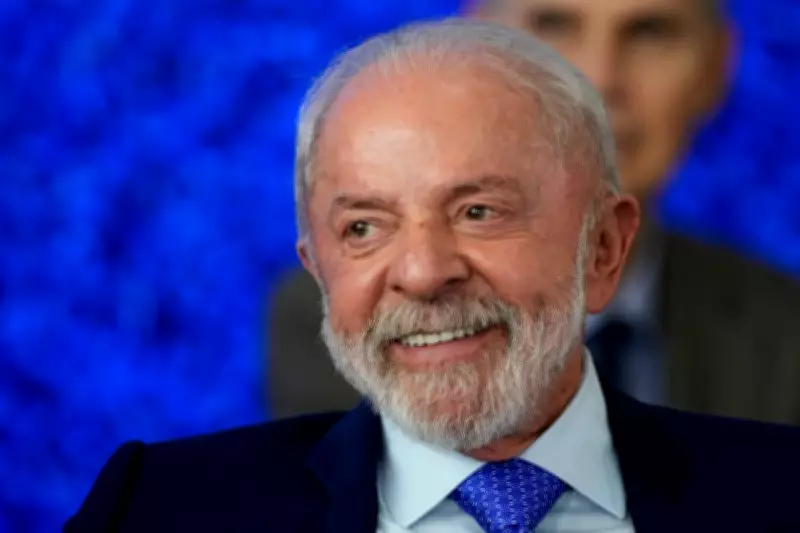
The ratification by Brazil, the largest economy in Mercosur with a GDP exceeding $2.3 trillion in 2025, marks a pivotal step in integrating a combined market of over 700 million people. President Luiz Inácio Lula da Silva has been a key proponent of the deal, which aims to boost economic ties across the Atlantic.
Regional Support and EU Hurdles
Argentina and Uruguay, fellow Mercosur members, have already ratified the agreement, while Paraguay is expected to follow suit. Bolivia, the newest member, was not part of the initial negotiations but may join in the future. However, the deal still faces validation by the EU's top court, with European Commission President Ursula von der Leyen praising Lula's efforts despite opposition from some European quarters.

Sen. Davi Alcolumbre, president of Brazil's Senate, hailed the ratification as a demonstration of institutional maturity and alignment with societal interests. The agreement, signed on January 17, 2026, ended a 25-year deadlock primarily driven by European agricultural concerns over competition.
Economic Impact and European Protests
Leaders estimate that the combined economies involved in the deal total a staggering $22 trillion in GDP. Brazilian diplomats, including Vice President Geraldo Alckmin, suggest the agreement could partially come into effect within months, even as legal proceedings continue in Europe.
Despite this progress, the deal has faced significant backlash in Europe. Recent months have seen European farmers protesting with roadblocks and fireworks in Brussels, citing fears of unfair competition. Critics like French President Emmanuel Macron have called for safeguards to prevent economic disruption in the EU, along with stricter regulations on issues such as pesticide use in Mercosur nations and enhanced import inspections at EU ports.
This ratification underscores Brazil's commitment to global trade, though challenges remain as both blocs navigate the complexities of implementation and address ongoing concerns from stakeholders.