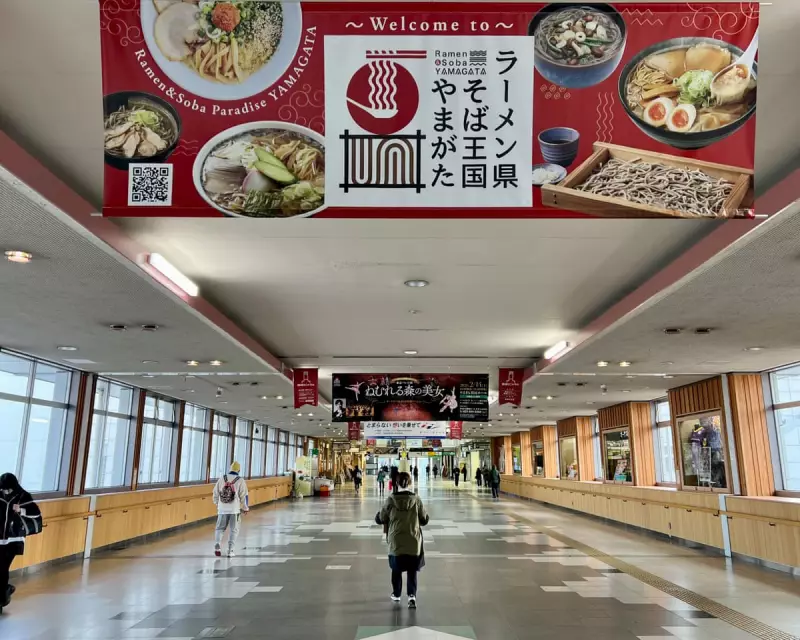
In the heart of Japan's snowy northeast, a culinary battle is simmering. The city of Yamagata, home to 240,000 residents, has proudly reclaimed its status as the nation's undisputed ramen capital, a title fiercely contested and laden with local pride.
The Noodle Epicentre: A City's Obsession
The evidence of Yamagata's devotion is found in its suburban streets. At establishments like Men Endo, a modest shop nestled beside a school, the ritual unfolds daily. Patrons, from construction workers to couples, make quick work of steaming bowls, their appreciative slurps filling the air. The choice is vast: from classic shoyu (soy sauce) ramen to the soupless maji soba, a mix of noodles, sauce, and toppings.
This scene is replicated across the city, where an astonishing 230 ramen shops compete for custom, some opening early to satisfy cravings. "People here don't ask each other where they want to go for dinner, but which ramen restaurant to go to," explains Osamu Higuchi, an official in the city's brand strategy section. This culture of dining out, rather than eating instant noodles at home, propelled Yamagata to the top of the national rankings.

A Bitter Rivalry and a Sweet Victory
The crown, however, was hard-won. In 2021, the city suffered a shocking defeat to its rival, Niigata. "It was a huge shock... to be honest it hurt our feelings," admits Higuchi. The loss sparked an aggressive campaign to regain supremacy. The effort paid off: latest government data shows Yamagata's households spent an average of ¥22,389 (approx. £106) per year on ramen, decisively beating Niigata's ¥16,292. The annual announcement by the internal affairs ministry is now awaited with the anticipation usually reserved for national sports finals.
The roots of this obsession trace back a century. Following the devastating 1923 Great Kantō Earthquake, ramen chefs fleeing Tokyo brought their skills to Yamagata's soba restaurants. The dish, a warming comfort against harsh winters, became embedded in local tradition, often ordered for guests instead of sushi.
The Shadow Side of a Noodle Paradise
Yet, Yamagata's love affair with ramen carries a health warning. A Yamagata University study of nearly 7,000 people aged 40 and over found a significant risk linked to frequent consumption, primarily due to the soup's high salt content. Published in the Journal of Nutrition, Health and Aging, the four-year study concluded that people eating ramen three or more times a week had a mortality risk 1.52 times higher than those indulging once or twice weekly.
Researchers cautioned that the findings did not represent a "definite danger," noting that frequent ramen eaters might have other risky habits like smoking or high overall salt intake. For devotees like Higuchi, who has logged 225 bowls this year alone, moderation is a struggle. "The chefs go to a lot of effort to make it so it feels rude to leave any," he says, acknowledging the dilemma.
More Than a Meal: A Cultural Phenomenon
Despite the risks, ramen's cultural cachet in Japan is unassailable. Popularised post-World War II by soldiers returning from China, it evolved into a symbol of resilience. Ramen critic Rikiya Yamaji, who consumes about 30 bowls a month, credits Japan with perfecting the art of localising the Chinese original. "It has evolved into a new food culture with a uniquely Japanese approach," he says, comparing it to Tex-Mex in the US.
For Yamagata, the dish is now an economic engine. "If our ramen businesses do well, then so does the local economy – farmers, soy sauce manufacturers, even the companies that produce hot towels for restaurants," Higuchi states. With a dedicated organisation formed to protect its "ramen kingdom" status, the city is confident of retaining its title when the 2025 results are announced. As Higuchi succinctly puts it: "I don't think it's going too far to say that Yamagata is ramen."