From Leicester to Lanzarote: The Sober 1841 Trip That Started Package Holidays
World's first package holiday was an 11-mile alcohol-free trip

As the January gloom sets in and Britons dream of summer sun, the trusted package holiday remains a firm favourite for escaping abroad. Recent data from ABTA shows that a significant 62% of people who holidayed overseas last year chose a package deal, bundling flights, hotels, and extras for ease. But the origins of this now-global industry are surprisingly humble, beginning not with jets to Spain but with a short, sober train journey in the Midlands.

The Temperance Trip That Started It All

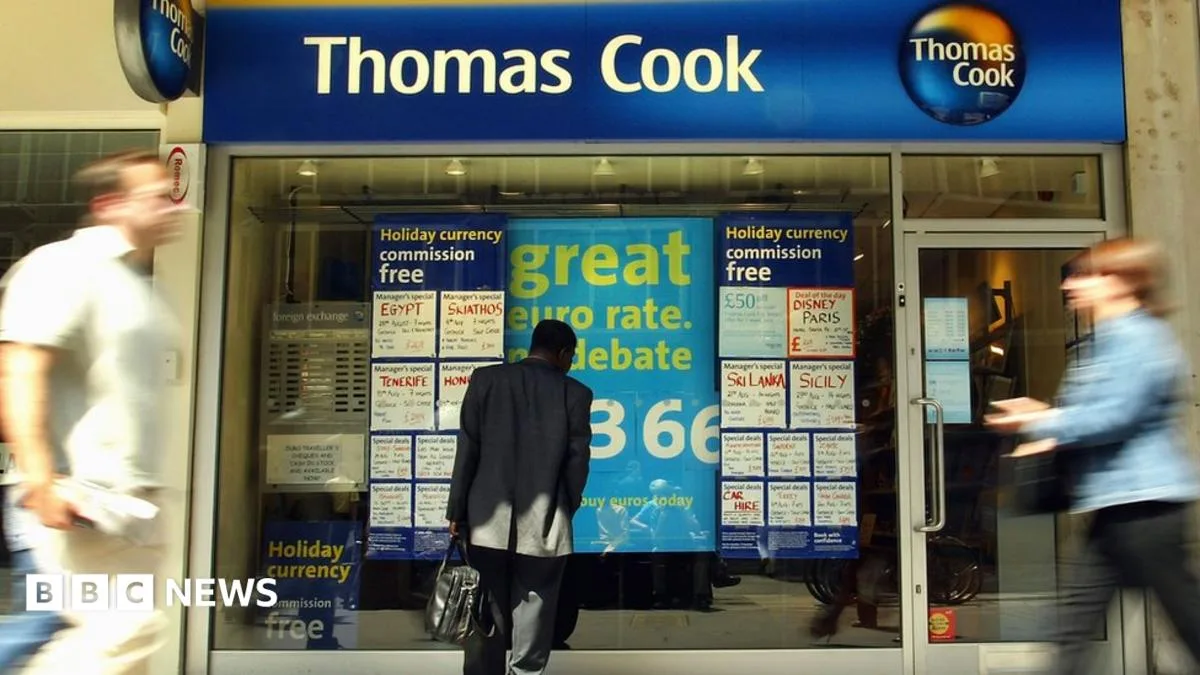
The world's inaugural package holiday took place in 1841 and was organised by a Baptist preacher named Thomas Cook. A champion of the temperance movement, which advocated abstaining from alcohol, Cook chartered a train to transport fellow members from Leicester to a rally in Loughborough. For just one shilling, passengers travelled the 11 miles with their journey, a cup of tea, and a ham sandwich all arranged for them.

This modest, alcohol-free excursion was a runaway success, with 485 tickets sold. Recognising the public's appetite for organised travel, Cook swiftly established Thomas Cook & Son. He capitalised on railway discounts for bulk bookings, and his company became a household name, laying the foundation for the modern package holiday by offering the convenience of a pre-arranged trip.

Expanding Horizons: From the Midlands to the World

Buoyed by his initial success, Thomas Cook quickly expanded his offerings. He organised further trips across the Midlands before arranging travel to London for the Great Exhibition. His ambitions soon turned international. In 1855, he led tours to Belgium, Germany, and France, and by 1863, he was orchestrating the first package tours of Switzerland.

Cook's most ambitious itinerary launched in 1872: a grand 222-day global tour covering the USA, Japan, China, India, and Egypt, costing 200 guineas (around £25,000 today). He also pioneered the use of circular notes, the forerunner to traveller's cheques, simplifying spending abroad. By 1890, his firm was selling over three million tickets annually, making foreign travel accessible to the burgeoning middle classes, not just the wealthy.

The Jet Age and the Modern Package Holiday

The package holiday as we recognise it today took to the skies in 1949. Businessman Vladimir Raitz, holidaying in Corsica, saw an opportunity. He calculated he could charter a plane and offer British holidaymakers a two-week break on the island for £35 per person (approx. £1,100 now), including flight, tent accommodation, and meals.

This offer proved irresistible in post-war Britain, and the first charter flights departed in May 1949. Raitz founded Horizon Holidays, sparking a boom. By 1950, a million Brits were travelling abroad annually. The 1957 introduction of flights to Valencia led to the coining of the Costa Blanca brand, while destinations like Benidorm transformed with new high-rise developments to cater to the influx.

The 1960s marked the golden age, as increased wages, paid leave, and cheaper flights saw Brits swap domestic breaks for the sunny coasts of Spain, Greece, and Italy. The model set by Thomas Cook's temperance train had evolved into a mass-market phenomenon focused on sun, sea, and sand.

Today, while the internet offers endless DIY travel options, the package holiday remains immensely popular. It stands as a testament to that first, simple idea from 1841: the joy of a getaway, with everything taken care of from start to finish.