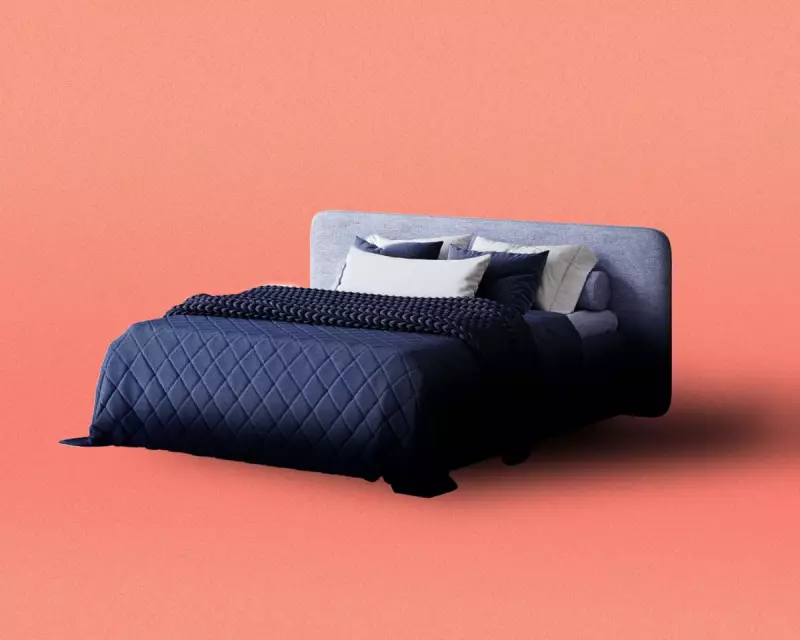
For many travellers, the sight of a perfectly made hotel bed is a welcome promise of comfort and cleanliness. Yet, for writer Annabel Lee, this image is instantly shattered by the presence of what she considers a grossly unhygienic menace: the decorative cushions and throws that adorn so many hotel beds.
The Instant Dread of Dusty Decor
Lee describes the all-too-familiar scene: you enter a pristine hotel room with crisp, laundered sheets, only to be confronted by a pile of plush accessories. The moment you sit, a cloud of dust might puff from a cushion, serving as a stark reminder that these items are rarely, if ever, cleaned between guests. The bedspread or throw, often draped across the foot of the bed, is likely to have been touched or even walked on by countless previous visitors.
Her immediate reaction is one of revulsion. "The first thing I do on seeing them is remove them with the tips of my fingers and shove them in the wardrobe," she states. This act can become a physical struggle, thanks to tightly tucked hospital corners, sometimes resulting in the entire duvet being pulled off in the effort to discard the offending fabric.

A Puzzling Breach of Hotel Cleanliness
The core of Lee's argument lies in a fundamental contradiction. The entire appeal of a hotel stay is the illusion of a fresh, untouched space. While we intellectually know others have slept in the bed, the rigorous cleaning of sheets and towels allows us to suspend that disbelief. Mini-fridges are restocked and toiletries are sealed, reinforcing the feeling of a private sanctuary.
So why, Lee questions, does this careful illusion break down on the very centrepiece of the room? Placing old, unwashed fabrics on a freshly made bed undermines the hotel's own standards of hygiene and guest comfort. Any aesthetic benefit from a scatter cushion or textured throw is instantly negated by the thought of the trapped dust and skin particles from hundreds of strangers.
The Cathartic Call for a Ban
Lee finds a kindred spirit in popular culture, referencing a scene from the romcom Along Came Polly. In it, Jennifer Aniston's character liberates Ben Stiller's from the "tyranny" of his scatter cushions by encouraging him to destroy them with a kitchen knife—an act of catharsis Lee deeply relates to when facing a hotel throw.
Her conclusion is a passionate plea for change. At home, such accessories might be merely pointless, but in a commercial hospitality setting, they become pointless and disgusting. She calls for their immediate banishment from hotel beds, advocating for the simple joy of a clean, unadorned sleeping space free from the ghosts of guests past.
Annabel Lee's stand highlights a wider, often unspoken concern about surface-level cleanliness versus deep hygiene in the tourism and hospitality industry, prompting guests to reconsider what truly makes a hotel room feel fresh.